
Frozen foods present unique challenges for packaging materials. From extreme temperature fluctuations to mechanical stress from ice crystals, the demands are high. This is why BOPA Film has become a preferred solution across the frozen food industry. Unlike conventional plastics that become brittle at sub-zero temperatures, BOPA Film retains exceptional flexibility and impact resistance, preventing cracks and pinholes that lead to freezer burn. For manufacturers looking to reduce product waste and extend shelf life, selecting the right material starts with understanding how BOPA Film performs under freezing conditions.
The Mechanical Demands of Frozen Storage
When food freezes, water expands and creates sharp ice crystals. These crystals can puncture standard packaging films, compromising seal integrity. BOPA Film exhibits outstanding puncture resistance and tensile strength, even at -20°C to -40°C. A standard BOPA film typically offers elongation at break exceeding 80% under frozen conditions, whereas polyester or polyethylene films may become rigid and fracture. This mechanical reliability makes standard BOPA film an excellent baseline choice for many frozen vegetables, seafood, and ready meals. However, to fully appreciate its role, one must consider barrier performance as well.
Barrier Protection Against Freezer Burn
Freezer burn occurs when moisture sublimates from the food surface and oxygen oxidizes the exposed tissue. To prevent this, a packaging material must offer low water vapor transmission rate (WVTR) and low oxygen transmission rate (OTR). While a standard BOPA film provides moderate barrier properties, upgrading to a high barrier BOPA film significantly reduces gas permeation. A high barrier BOPA film can achieve OTR values below 10 cc/m²·day·atm when laminated with EVOH or coated with PVDC, making it ideal for premium frozen meat, fish, and dairy products. Therefore, as a film for food packaging, BOPA adapts to different barrier requirements through lamination or coating technologies.
Why Standard BOPA Film Works for Basic Frozen Applications
For products with shorter frozen shelf life, such as frozen fruits or bulk vegetables, a standard BOPA film offers a cost-effective balance. Its inherent toughness prevents breakage during transport and handling. Additionally, standard BOPA film exhibits excellent printability, allowing vibrant branding and cooking instructions to remain legible after months of frozen storage. When used alone, standard BOPA film provides sufficient protection for products that are glazed or individually quick frozen (IQF). Nevertheless, for high-value or long-term frozen storage (12+ months), a higher barrier construction is recommended.
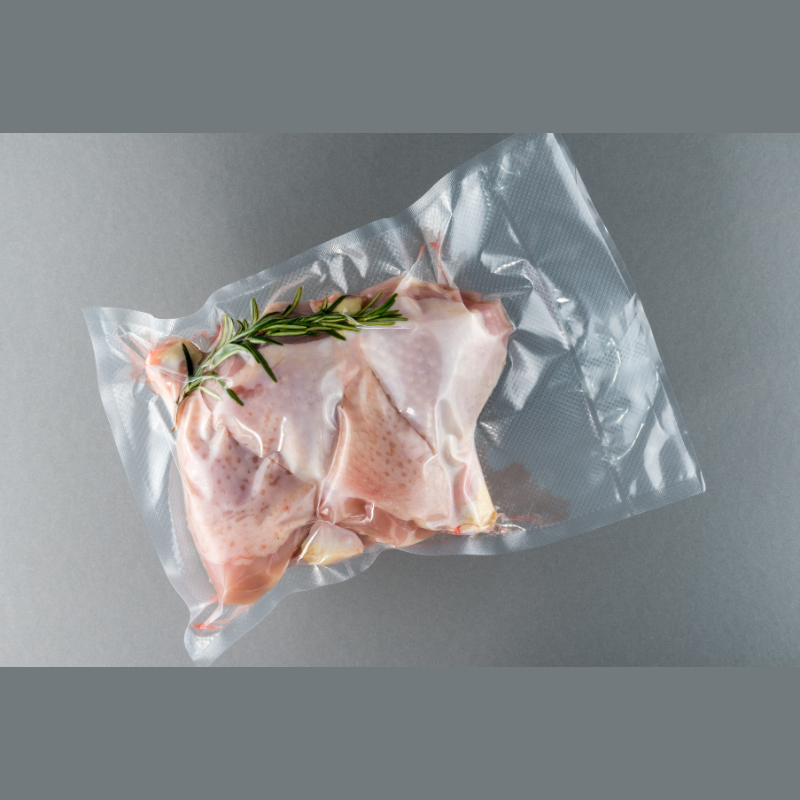
standard BOPA film
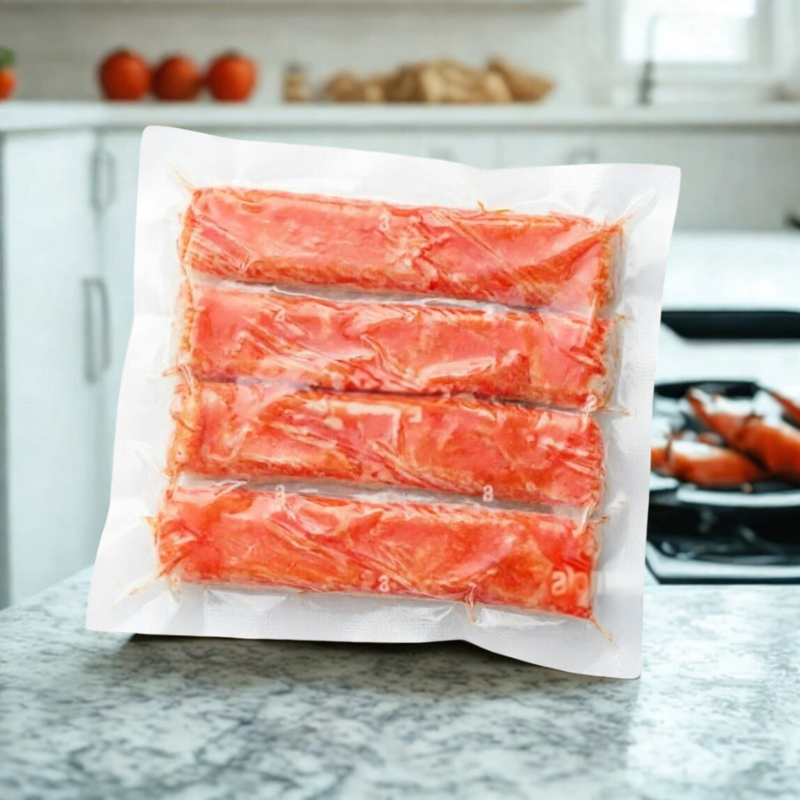
high barrier BOPA film
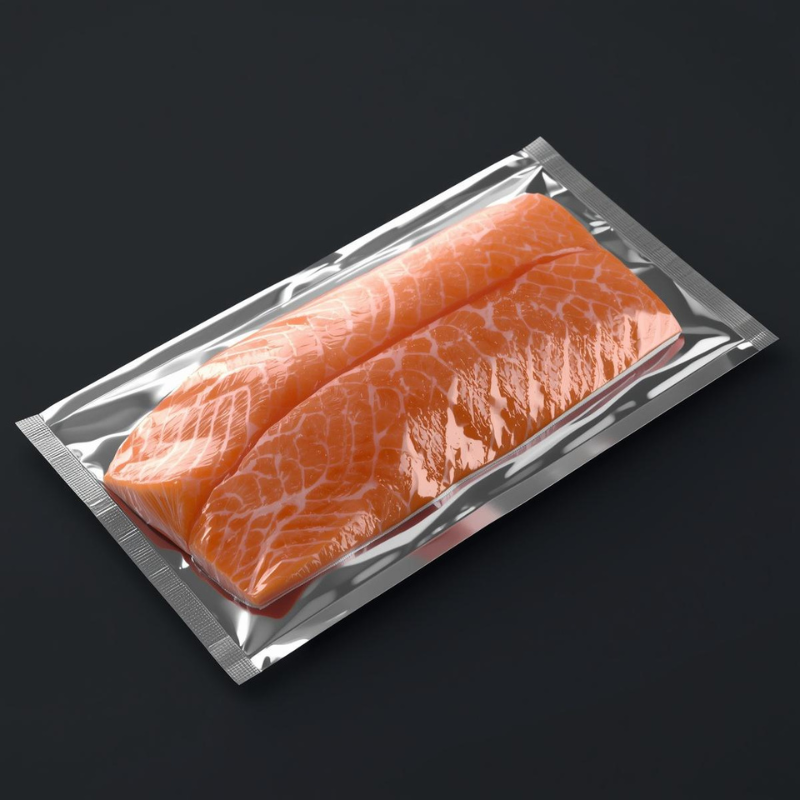
film for food packaging
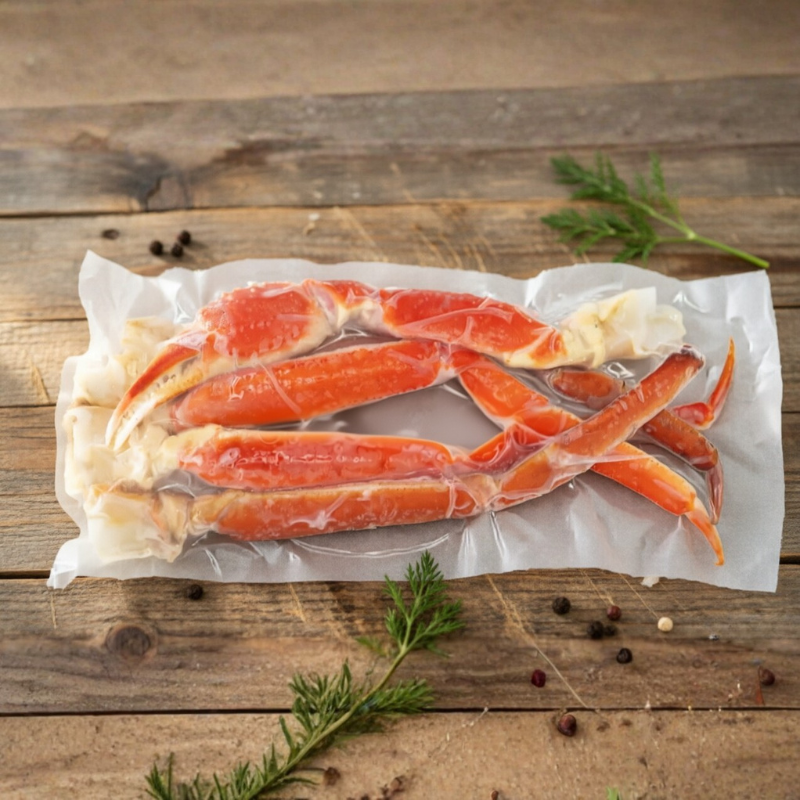
high barrier packaging film
The Role of High Barrier Packaging Film in Frozen Foods
When discussing premium frozen products like raw tuna, grass-fed beef, or gourmet ice cream, the conversation shifts toward active and passive barrier integration. A high barrier packaging film often combines BOPA with aluminum foil, metallized layers, or ceramic coatings. Such a high barrier packaging film reduces oxygen ingress to near-zero levels, effectively preventing rancidity and color changes. Importantly, a high barrier packaging film that includes BOPA retains the mechanical toughness needed for frozen environments while adding oxygen and moisture protection. This synergy makes BOPA an indispensable component in multilayer structures designed for frozen foods.
Comparing BOPA with Other Frozen Food Films
Many packaging engineers ask: why not use polyethylene (PE) or polyvinyl chloride (PVC) for frozen foods? PE lacks puncture resistance, and PVC becomes brittle. BOPA Film outperforms both in cold-temperature impact strength. Furthermore, when used as a film for food packaging, BOPA complies with global food contact regulations (FDA, EU 10/2011) and does not migrate harmful substances under frozen conditions. As a film for food packaging, it also resists flex cracking during repeated handling—a common failure mode in frozen food warehouses. Thus, choosing BOPA Film reduces return rates and customer complaints related to package failure.
Practical Recommendations for Frozen Food Brands
If your frozen product has a shelf life under six months and low fat content, a standard BOPA film laminated with low-density polyethylene (LDPE) is often sufficient. For products with high oil content or extended storage, select a high barrier BOPA film combined with an oxygen scavenger or EVOH layer. Always verify seal integrity at freezing temperatures, as sealants also play a role. Additionally, a high barrier packaging film should be validated for cold-temperature flex resistance using ASTM F392 (gelbo flex testing). By following these guidelines, you ensure that your film for food packaging delivers both mechanical and barrier performance.
The frozen food aisle demands packaging that is tough, reliable, and barrier-efficient. BOPA Film meets these requirements through its unique combination of low-temperature flexibility, puncture resistance, and adaptability. While a standard BOPA film works for basic frozen goods, a high barrier BOPA film elevates protection against freezer burn and oxidation. As a versatile film for food packaging, BOPA can be tailored into a high barrier packaging film that extends frozen shelf life and preserves product quality. For frozen food brands seeking to reduce waste and enhance consumer satisfaction, BOPA is not just an option—it is a strategic choice.