
When exploring advanced materials for flexible packaging, one question that frequently arises is whether BOPA film offers antioxidant properties. BOPA (Biaxially Oriented Polyamide) is widely recognized for its mechanical strength and gas barrier performance. However, its role in preventing oxidation—especially in food and sensitive product applications—deserves a closer look. This article examines the scientific basis behind the antioxidant potential of BOPA film, separating marketing claims from measurable material behavior.
Understanding Oxidation in Packaged Goods
Oxidation is a chemical reaction that degrades fats, vitamins, colors, and flavors in products such as nuts, dairy, meats, and pharmaceuticals. To slow oxidation, packaging must limit the ingress of oxygen and, ideally, incorporate active scavenging or passive blocking mechanisms. Standard plastic films like LDPE or PET offer moderate oxygen transmission rates (OTR), but they do not inherently neutralize free radicals or react with oxygen. This is where high barrier BOPA film enters the conversation.
Does BOPA Film Block Oxygen?
By itself, BOPA film provides a strong oxygen barrier compared to many commodity polymers. Nylon’s polar structure and high chain density reduce molecular diffusion. A typical standard BOPA film has an OTR of approximately 30–50 cc/m²·day·atm at 23°C and 65% RH. While this is significantly lower than LDPE (~2000 cc/m²·day·atm), it is not low enough to be classified as an active antioxidant. True antioxidant properties would require the film to chemically absorb or neutralize oxygen, which pure nylon does not do.
Antioxidant Mechanisms in Packaging Films
To achieve antioxidant functionality, manufacturers often incorporate oxygen scavengers (e.g., iron-based compounds, ascorbate, or polymers with unsaturated bonds) into the film structure. A high barrier packaging film with scavenging additives can reduce OTR to <1 cc/m²·day·atm. However, unmodified BOPA film lacks these reactive groups. Therefore, the answer is: BOPA film alone does not possess inherent antioxidant chemistry, but when combined with active layers or coatings, it can become part of an antioxidant system.
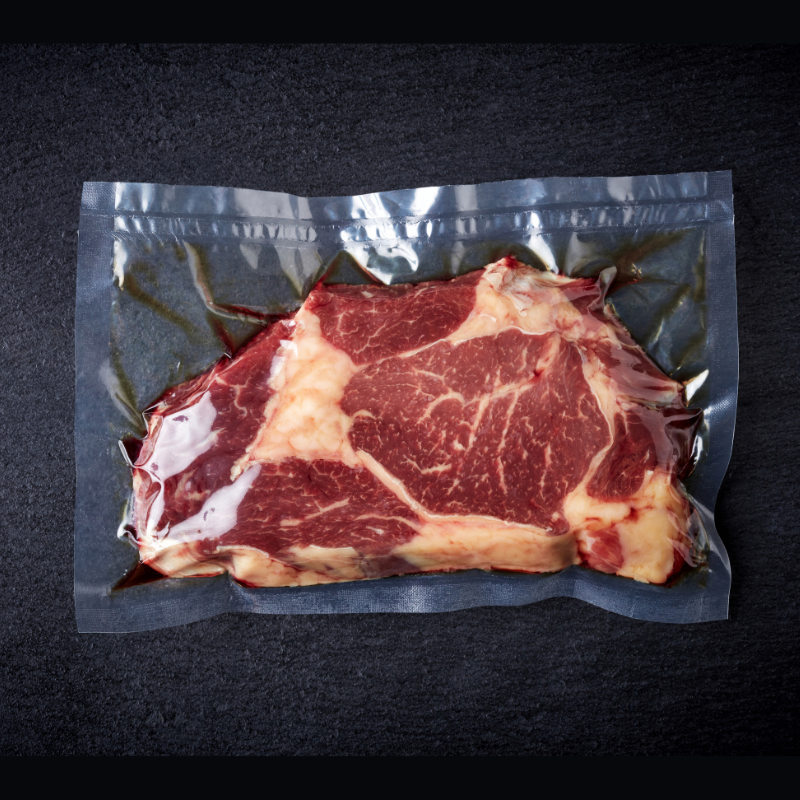
high barrier packaging film
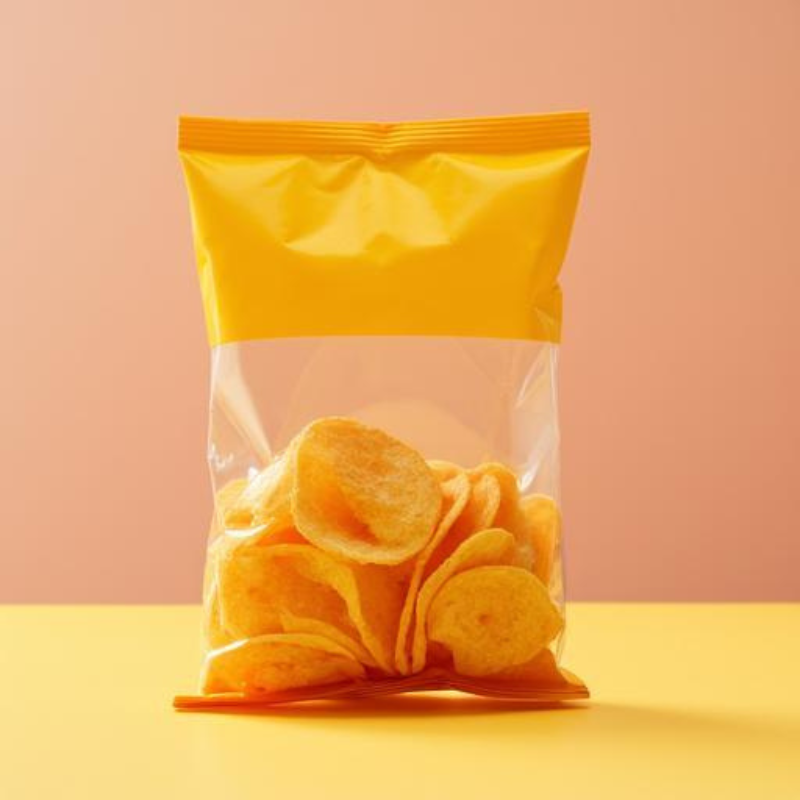
film for food packaging
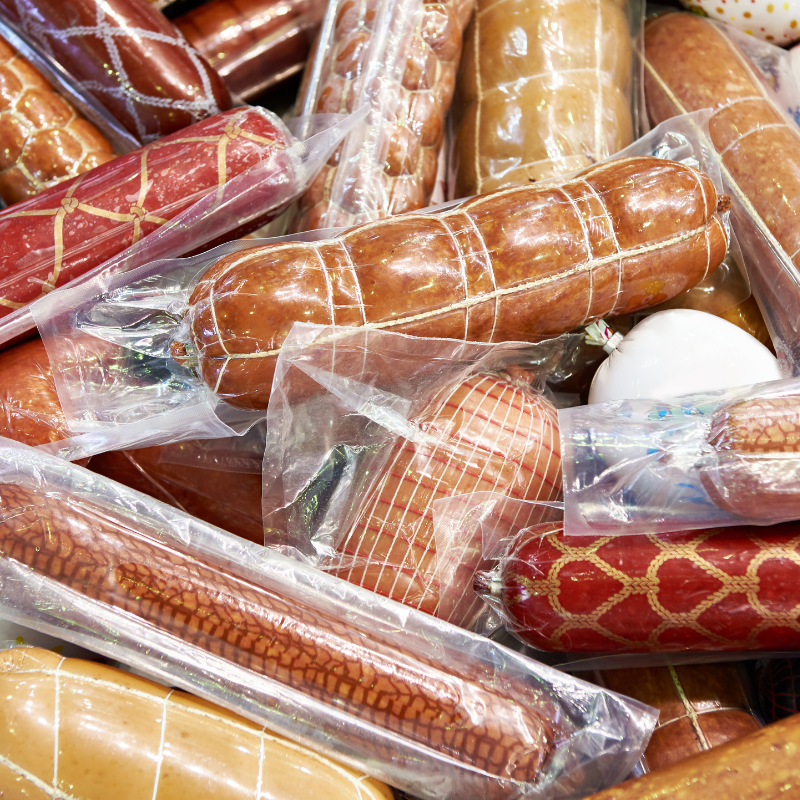
standard BOPA film
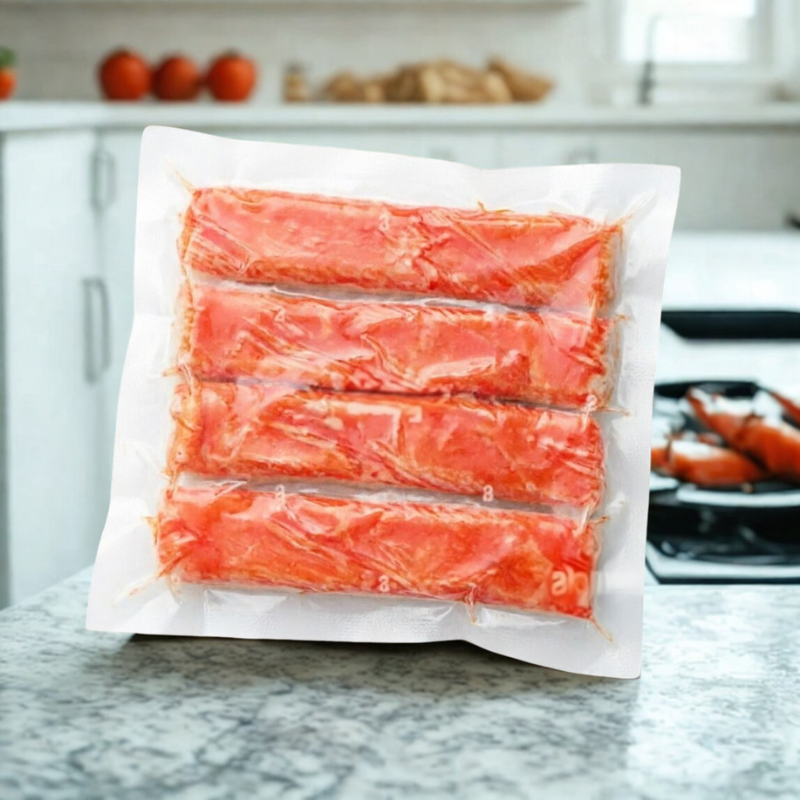
high barrier BOPA film
Comparing Standard vs. High Barrier BOPA Film
A standard BOPA film offers excellent puncture resistance and transparency, making it a popular choice for vacuum pouches and boil-in-bag applications. Yet for products highly sensitive to oxidation (e.g., ground coffee, nuts, cheese), a high barrier BOPA film is often laminated with EVOH or metallized layers. These laminates may include oxygen scavengers, effectively giving the overall structure antioxidant-like performance. Without such additives, even high barrier BOPA film only delays oxidation by reducing oxygen ingress—not by consuming oxygen.
Practical Role in Food Packaging
As a film for food packaging, BOPA is valued for its ability to maintain structural integrity under temperature fluctuations and mechanical stress. When used in multilayer structures, it supports barrier layers that do the heavy lifting against oxygen. For example, a typical retort pouch might use BOPA film as the middle layer, with aluminum foil and PP. This configuration, while not antioxidant in the chemical sense, provides an almost absolute physical barrier—mimicking the effect of antioxidant protection. Thus, specifying a film for food packaging as BOPA-based can be a correct choice if the full structure is engineered for low oxygen exposure.
Is BOPA Film a Substitute for Active Antioxidants?
No. If your application requires active oxygen scavenging (e.g., extending shelf life of oxygen-sensitive beverages or cured meats), you should look for a high barrier packaging film that explicitly includes scavenging technology. BOPA film serves as an excellent mechanical support and moderate barrier, but it does not replace chemical antioxidants. Nevertheless, its compatibility with co-extrusion and lamination makes it a valuable component in active packaging systems.
Pure BOPA film does not have intrinsic antioxidant properties. It does not chemically react with or remove oxygen. However, its ability to reduce oxygen transmission—especially in high barrier BOPA film form—contributes to a passive barrier strategy. When used as a film for food packaging, it should be part of a multilayer design that may include oxygen scavengers to achieve true antioxidant functionality. For engineers and brand owners, understanding this distinction ensures proper material selection: rely on standard BOPA film for mechanical strength and moderate barrier, but upgrade to a high barrier packaging film with active scavenging when antioxidant action is required.