
The Structural Demand of Vacuum Packaging
Vacuum bags must withstand extreme pressure differences and sharp product edges. BOPA film is the industry standard because it offers unmatched tensile strength and elongation. Without BOPA film, most vacuum bags would rupture when air is fully evacuated. BOPA film resists punctures from bone-in meats or frozen seafood, making it indispensable for vacuum sealing. Every time you use a high-quality vacuum bag, you are relying on BOPA film as the core mechanical layer. This explains why BOPA film dominates the vacuum bag market.
Why Ordinary Films Fail Under Vacuum
Standard polyethylene or PET bags often develop pinholes or delaminate under negative pressure. High barrier packaging film solves this by combining multiple layers, but the backbone remains high barrier packaging film-grade BOPA. High barrier packaging film designed for vacuum applications typically includes EVOH or PVDC coatings, yet without high barrier packaging film’s structural layer, oxygen transmission rates would skyrocket. Manufacturers choose high barrier packaging film for vacuum bags precisely because BOPA provides both mechanical strength and gas barrier properties.
Food Safety and Preservation in Vacuum Bags
When sealing raw or cooked items, film for food packaging must prevent contamination while maintaining seal integrity. Film for food packaging used in vacuum bags undergoes rigorous migration testing because the film contacts food directly. Film for food packaging containing BOPA as the outer layer resists abrasion during transport and storage. For meat, cheese, or ready meals, film for food packaging made with BOPA ensures that vacuum pressure does not force oil or moisture into the seal area. This is why film for food packaging specifications almost always mention BOPA for heavy-duty vacuum applications.
High Barrier BOPA Film: The Premium Solution
For extended shelf life, high barrier BOPA film incorporates additional nanocomposite or ceramic coatings. High barrier BOPA film can reduce oxygen permeability to below 2 cc/m²/day, which is critical for vacuum-packed coffee or cured meats. High barrier BOPA film also offers superior aroma retention, preventing external odors from entering the vacuum bag. When you see a vacuum bag rated for 12+ months of frozen storage, it almost certainly uses high barrier BOPA film. Unlike standard variants, high barrier BOPA film maintains its barrier even after flexing or drop tests.
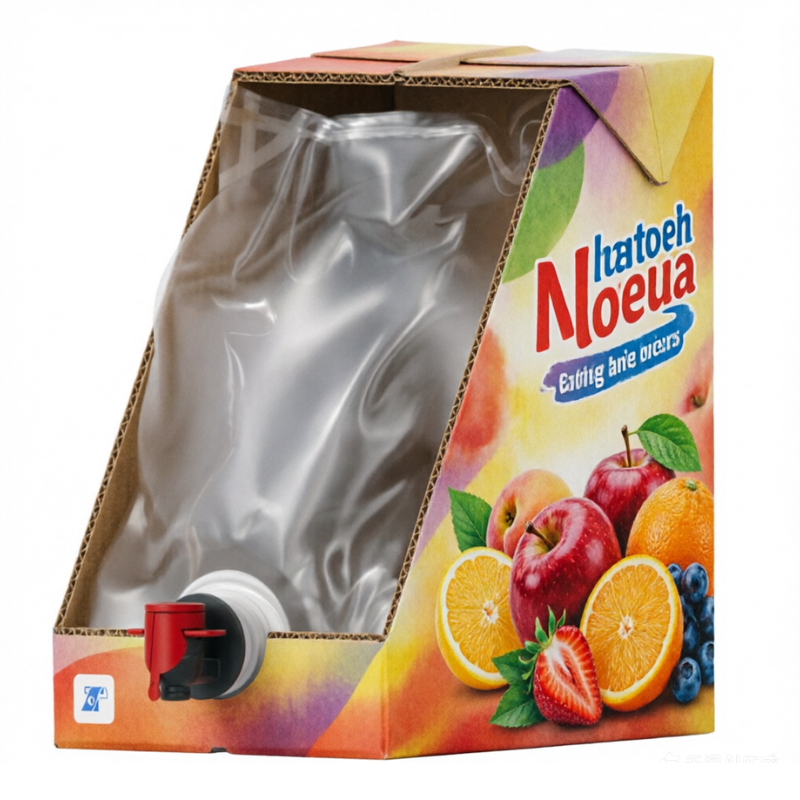
film for food packaging
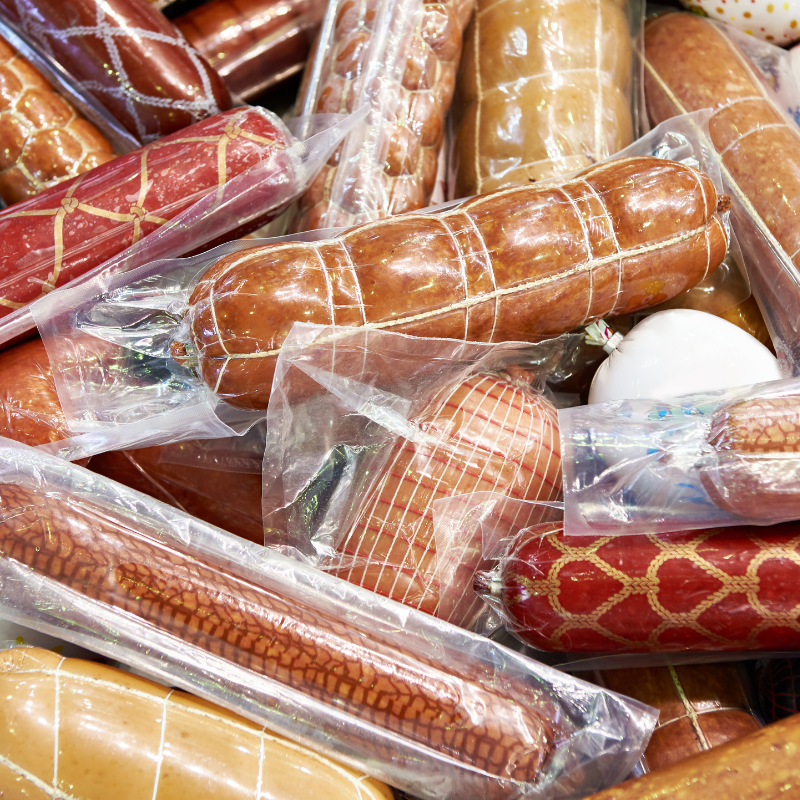
standard BOPA film
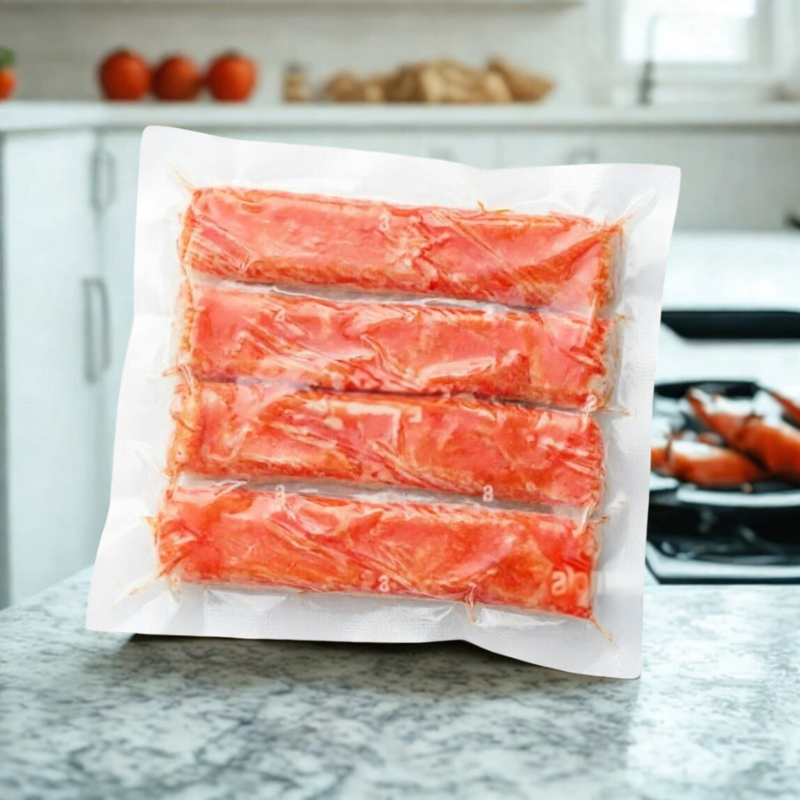
film for food packaging
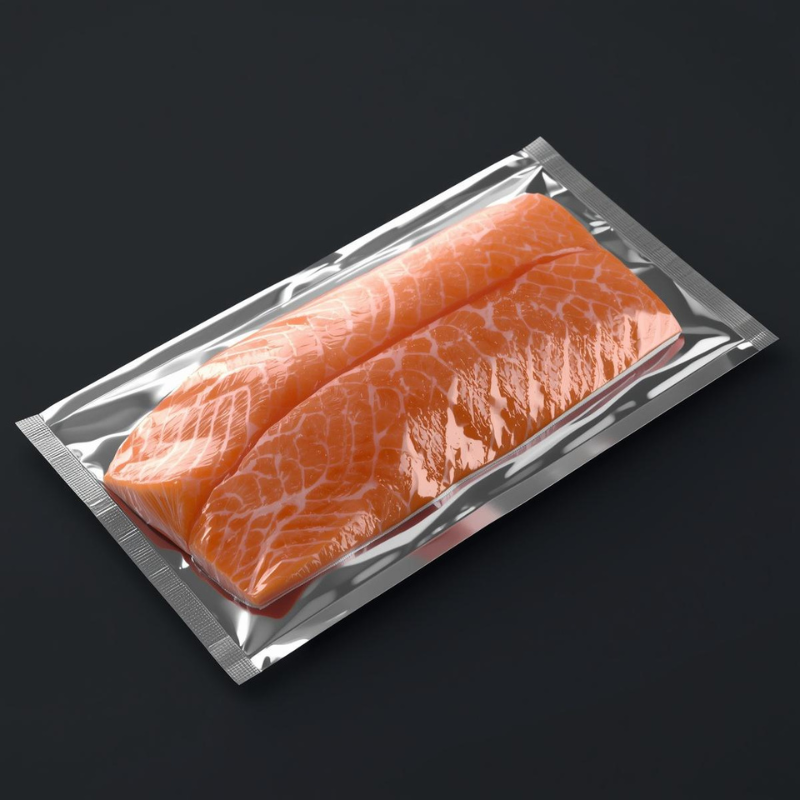
standard BOPA film
Standard BOPA Film for Cost-Effective Vacuum Bags
Not every vacuum application requires extreme barrier properties. Standard BOPA film provides excellent puncture resistance and transparency at a lower price point. Standard BOPA film works perfectly for vacuum-bagging non-oxygen-sensitive items like hardware, electronics, or frozen vegetables. Standard BOPA film typically measures 15 to 25 microns thick and can be laminated to linear low-density polyethylene (LLDPE) for sealability. Many vacuum bag manufacturers use standard BOPA film for retail consumer bags because it balances durability and cost. However, standard BOPA film should not replace high barrier versions for long-term meat storage.
Comparing BOPA Film Grades for Vacuum Performance
The table below outlines key differences in BOPA film types for vacuum bags:
Standard BOPA film: Good puncture resistance, moderate OTR (30-50 cc/m²/day), ideal for dry or frozen goods.
High barrier BOPA film: Very low OTR (<5 cc/m²/day), excellent for raw meat and cheese.
BOPA film with aluminum oxide coating: Ultra-high barrier for oxygen-sensitive pharmaceuticals.
Every BOPA film grade must be printed or laminated before bag making. BOPA film also requires anti-block additives to prevent sticking during vacuum evacuation.
Practical Recommendations for Buyers
When selecting BOPA film for vacuum bags, always request a technical data sheet. High barrier packaging film should specify the exact barrier layer material. Film for food packaging must declare compliance with FDA or EU food contact standards. High barrier BOPA film is recommended for vacuum-packed raw meat, fish, and aged cheese. Standard BOPA film suffices for nuts, grains, and frozen fruits. Regardless of grade, BOPA film performs best when stored at 20-25°C and 50% RH before bag conversion.
Conclusion: BOPA Film Remains Unrivaled
From home vacuum sealers to industrial meat packing, BOPA film delivers reliability that other films cannot match. Whether you need high barrier packaging film for extended shelf life, film for food packaging for direct contact, high barrier BOPA film for oxygen sensitivity, or standard BOPA film for economical use, BOPA provides the mechanical backbone. Vacuum bags without BOPA film risk seal failure, pinholes, and food waste. Choose BOPA film for your vacuum bags, and you choose proven performance.