
Why Printing on BOPA Film Requires Special Attention
BOPA film (biaxially oriented polyamide) is widely used in flexible packaging due to its exceptional strength and puncture resistance. However, printing on BOPA film is not the same as printing on polyethylene or polyester. BOPA film has high hygroscopicity, meaning it absorbs moisture from the air. If you print on BOPA film without proper preparation, the result will show ink peeling, white spots, or poor adhesion. Understanding how to print on BOPA film correctly ensures that your final package maintains both aesthetic appeal and functional integrity.
Surface Treatment: The First Critical Step
Before any ink touches high barrier packaging film, you must perform corona treatment. High barrier packaging film often includes multiple layers (such as EVOH or aluminum oxide), but the printing layer is typically BOPA. For high barrier packaging film, the surface energy must reach at least 52 dynes/cm. If you skip this step, high barrier packaging film will repel the ink, causing dot loss in solid areas. Always measure the dyne level on the treated side of high barrier packaging film immediately before printing.
Selecting the Right Ink System
When printing on film for food packaging, safety and adhesion are equally important. Film for food packaging requires low-migration inks that comply with food contact regulations. For film for food packaging, use polyamide-based or nitrocellulose-based inks specifically formulated for nylon surfaces. Never use standard general-purpose inks on film for food packaging, as they may contain plasticizers that weaken the bond over time. Additionally, film for food packaging printed with the wrong ink can fail during retort or pasteurization.
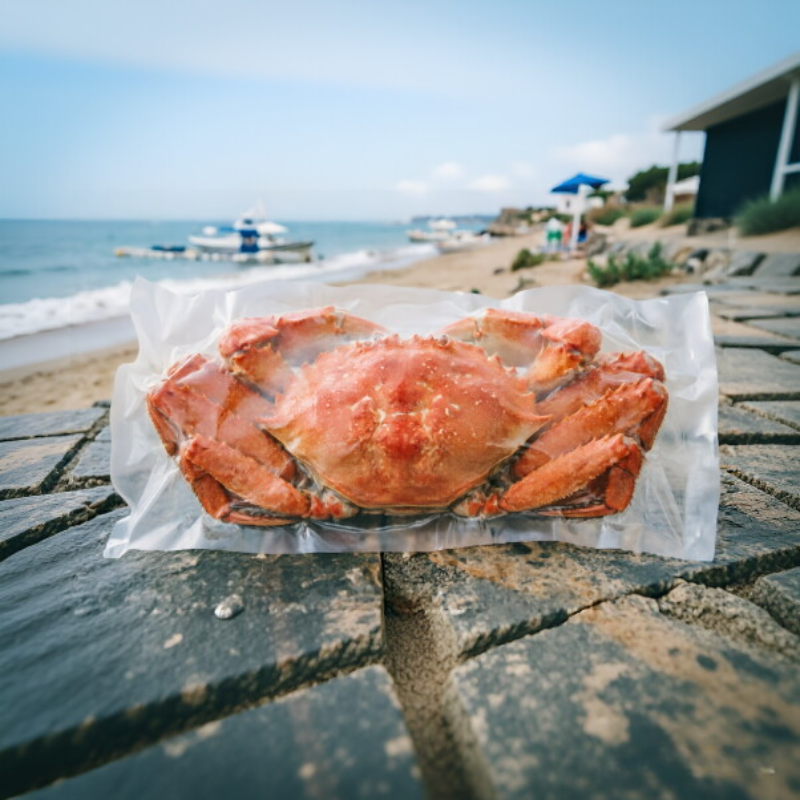
standard BOPA film
film for food packaging
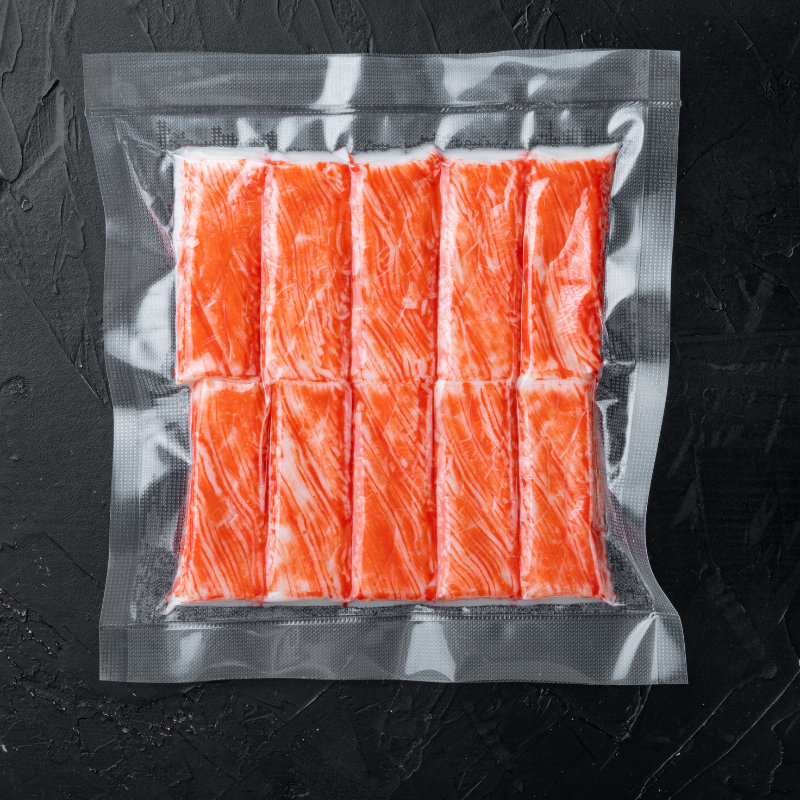
high barrier BOPA film
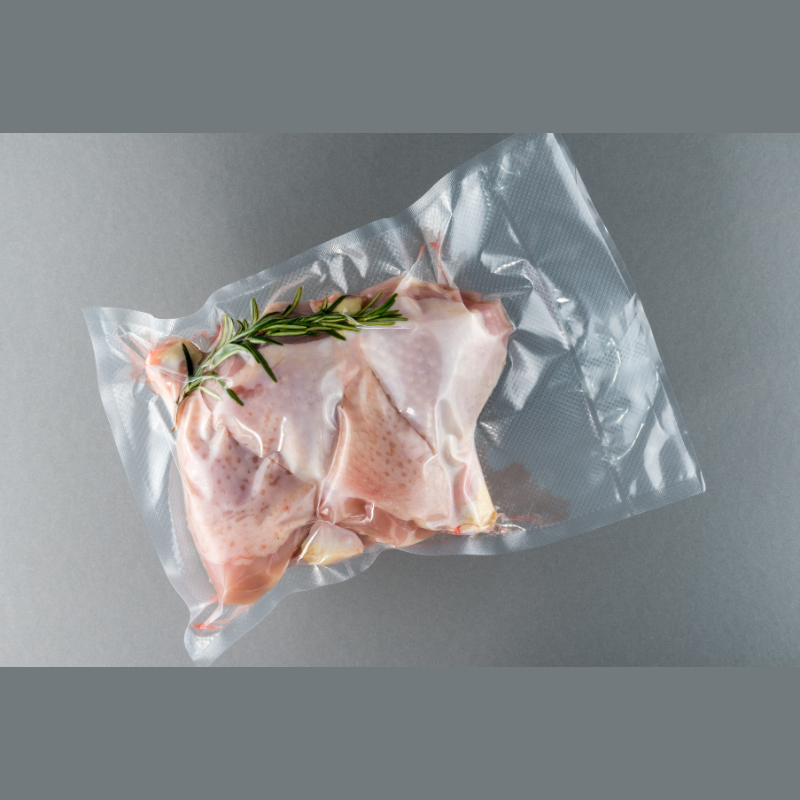
standard BOPA film
Optimizing Tension and Drying Parameters
High barrier BOPA film is more elastic than other substrates. High barrier BOPA film stretches easily under high tension, leading to misregistration and color overlay errors. To print on high barrier BOPA film, set unwind tension between 8 and 12 N/m² (lower than for PET). High barrier BOPA film also requires moderate drying temperatures—45°C to 55°C—because excessive heat can shrink high barrier BOPA film and distort the print repeat length. For gravure or flexo presses running high barrier BOPA film, keep the drying tunnel airflow steady but not scorching.
Managing Moisture and Storage Conditions
Standard BOPA film is extremely moisture-sensitive. Standard BOPA film stored in a humid warehouse will absorb water vapor, causing dimensional changes. Before printing standard BOPA film, allow it to acclimate in the printing room (23°C, 50% RH) for at least 24 hours. Standard BOPA film that has already absorbed moisture may show “tight edges” or wrinkling during printing. If you notice these signs on standard BOPA film, stop the press and replace the roll. Properly dried standard BOPA film delivers crisp halftones and solid ink coverage without ghosting.
Common Defects and How to Fix Them
Even experienced operators face issues with BOPA film. The most frequent problem on BOPA film is poor ink adhesion after lamination. To test adhesion on BOPA film, apply tape and peel quickly—if ink transfers, increase corona treatment. Another defect specific to BOPA film is “orange peel” texture, which appears when solvent retention is too high. Reduce press speed or increase drying power for BOPA film. Finally, never store printed rolls of BOPA film in a cold warehouse before lamination, as condensation will ruin the bond.
Conclusion: Consistency Is Key
Printing on BOPA film demands discipline in surface treatment, ink selection, and climate control. Whether you use high barrier packaging film for vacuum pouches, film for food packaging for frozen meals, high barrier BOPA film for cheese casings, or standard BOPA film for general applications, the same principles apply. Follow the steps above, and your prints on BOPA film will consistently meet quality standards.
Xiamen Changsu Industrial Co., Ltd. (also referred to herein as “Changsu Industrial”) is a worldwide leader in advanced film material manufacturing. Our primary business focuses on Research and Development and intelligent manufacturing of film materials. We own two subsidiary companies: Fujian Changsu Industrial Co., Ltd. and PT Changsu Industrial Indonesia.