
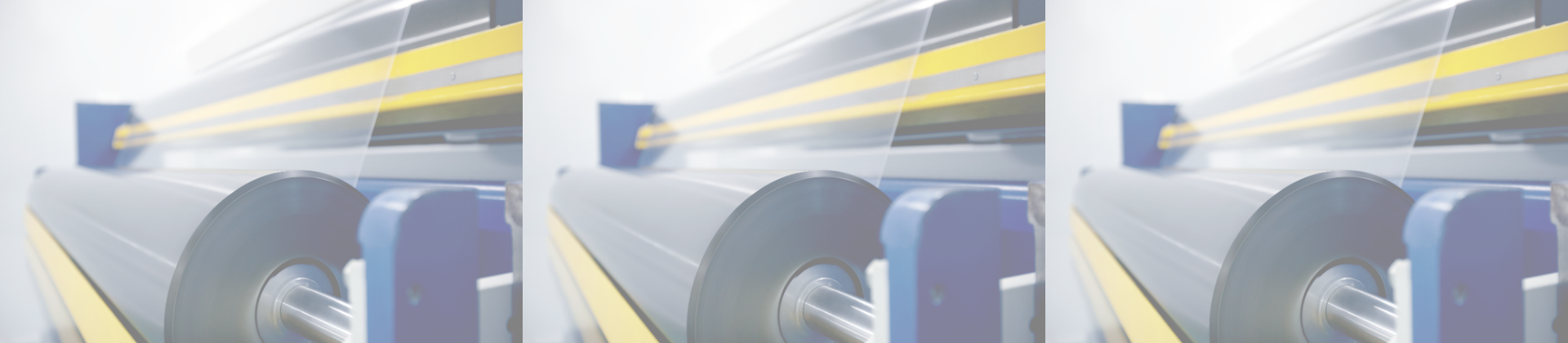
BOPA film outperforms polyester and polypropylene in standardized dart drop tests. Due to its biaxially oriented nylon structure, BOPA film absorbs impact energy without propagating tears. Where other films rupture at 2–3 Newtons, BOPA film withstands 8–10 Newtons. Therefore, BOPA film is the industry standard for sharp-edged products like frozen fish, bone-in meat, and hardware components.
How Standard BOPA Film Performs
Standard BOPA film delivers reliable puncture resistance for everyday packaging. Standard BOPA film undergoes simultaneous stretching in machine and transverse directions, creating balanced strength. In laboratory conditions, standard BOPA film at 15 microns resists needles up to 4.5 mm deflection before failure. Food processors choose standard BOPA film for vacuum-sealed chicken breasts because bone tips cannot penetrate. Without standard BOPA film, sharp corners would destroy monolayer polyethylene bags instantly.
High Barrier BOPA Film Maintains Strength
High barrier BOPA film adds oxygen-blocking coatings without sacrificing puncture defense. High barrier BOPA film typically incorporates PVDC or SiOx layers on one side, leaving the nylon core intact. This high barrier BOPA film retains 95% of base film's piercing resistance while achieving oxygen transmission below 1 cc/m²/day. For premium coffee with sharp bean fragments, high barrier BOPA film prevents both staleness and bag rupture. Thus, high barrier BOPA film proves that barrier functionality need not weaken mechanical performance.
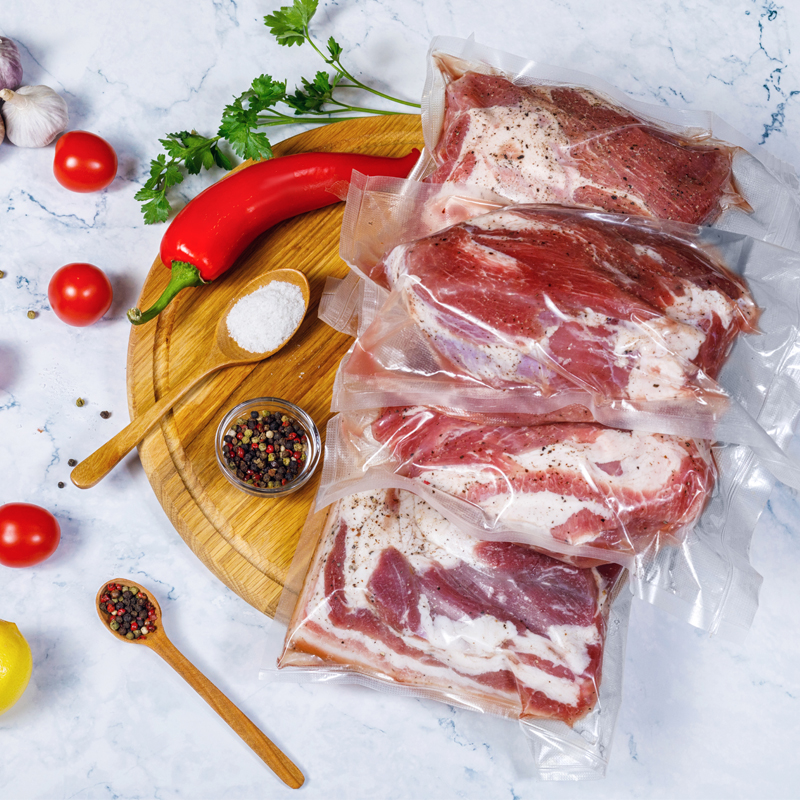
standard BOPA film
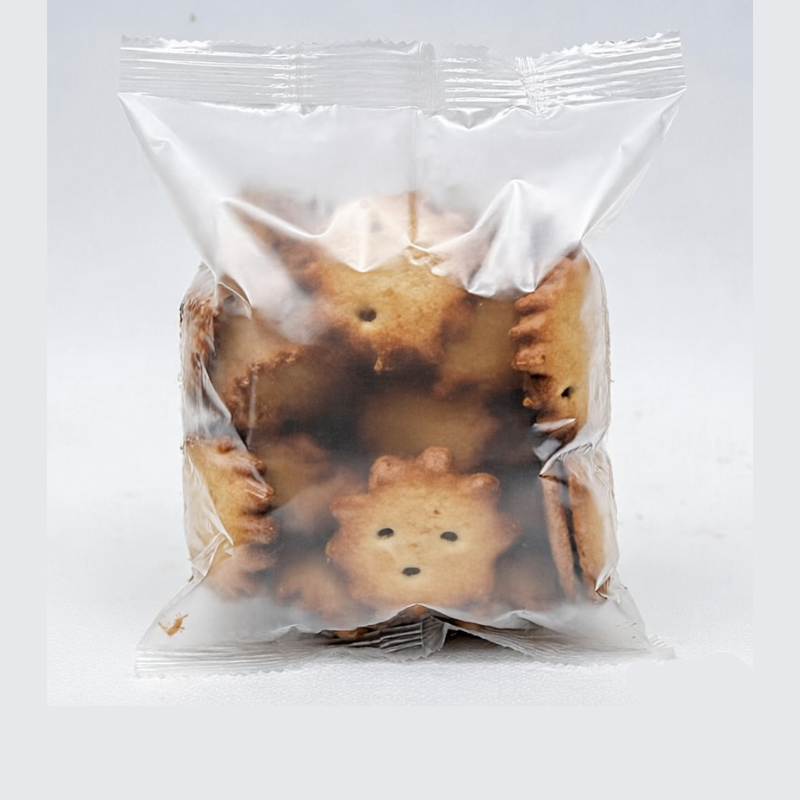
high barrier BOPA film
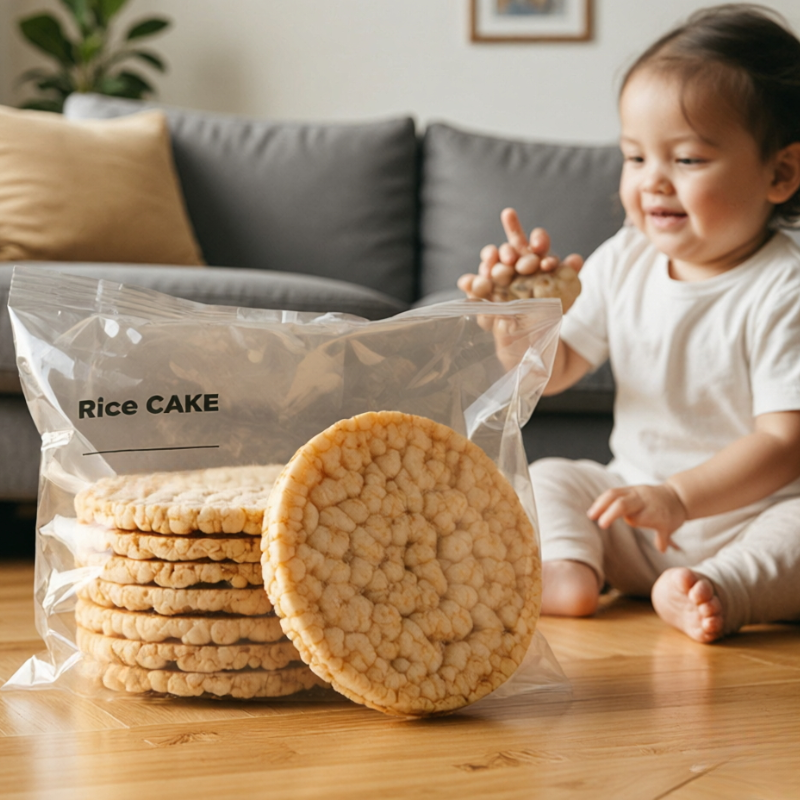
film for food packaging
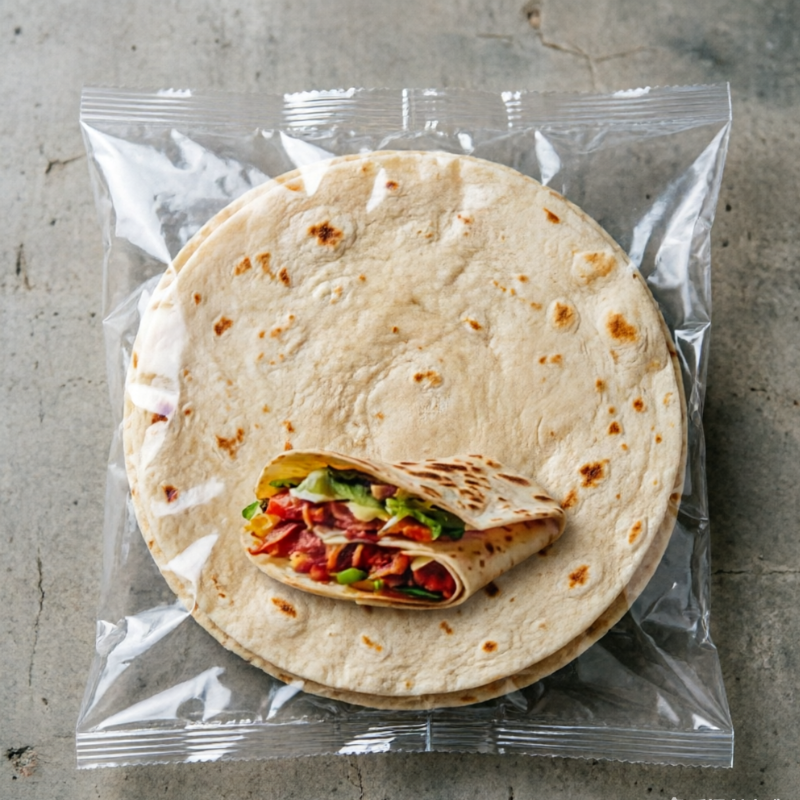
high barrier packaging film
Film for Food Packaging Relies on BOPA
Why does film for food packaging frequently specify BOPA as the middle layer? Because film for food packaging demands puncture resistance during supply chain handling. Film for food packaging using BOPA can survive pallet drops, conveyor edges, and frozen transport. For example, film for food packaging for grated cheese includes BOPA to prevent metal grater shards from piercing the laminate. Without film for food packaging containing BOPA, sharp pasta shapes like penne would puncture thin walls during warehouse stacking.
High Barrier Packaging Film Applications
High barrier packaging film often integrates BOPA specifically for puncture-prone contents. High barrier packaging film for medical waste bags uses BOPA to resist syringe needles and scalpel edges. Similarly, high barrier packaging film for industrial bearings prevents steel burrs from breaching the seal. In each case, high barrier packaging film achieves both oxygen/moisture defense and mechanical robustness. This dual capability makes high barrier packaging film with BOPA superior to pure EVOH or PET alternatives.
Testing Methodology for Puncture Resistance
Engineers verify BOPA film performance using ASTM F1306 (puncture-propagation tear test). Standard BOPA film typically records 12–15 J/cm in energy-to-puncture metrics. High barrier BOPA film achieves 11–14 J/cm, while coated high barrier packaging film remains above 10 J/cm. For film for food packaging, the BOPA layer contributes 80% of total puncture resistance. These numbers confirm that BOPA film is the most puncture-resistant transparent flexible packaging material commercially available today.
When to Choose Each Grade
Select standard BOPA film for frozen meat, seafood, and sharp-edged produce. Choose high barrier BOPA film for coffee, nuts, and spices where oxygen sensitivity combines with puncture risk. Specify high barrier packaging film with BOPA for medical sharps or industrial components. Use film for food packaging containing BOPA for pasta, grated cheese, and bone-in poultry. In all cases, BOPA film provides superior puncture resistance that polyester and polypropylene cannot match. Therefore, BOPA film remains the undisputed leader for demanding puncture-prone applications.