
1. Defining Barrier Properties in Flexible Packaging
Before answering "what’s the barrier property," we need a clear definition. A barrier property measures how well a material resists gases, moisture, and odors. For BOPA film, these properties are critical in food preservation. BOPA film is a biaxially oriented nylon film. Its molecular orientation creates a dense structure. This structure gives BOPA film moderate oxygen barrier and excellent aroma barrier. Unlike simple poly films, BOPA film does not allow rapid gas exchange. This makes BOPA film a preferred base layer in many laminates. Without good barrier properties, food spoils quickly. Therefore, understanding BOPA film barrier data helps engineers select the right structure.
2. Oxygen Transmission Rate of Standard BOPA Film
So, what is the exact oxygen barrier of standard BOPA film? Under standard conditions (23°C, 65% RH), standard BOPA film has an oxygen transmission rate (OTR) of approximately 40–60 cc/m²/day/atm at 15µm thickness. This is moderate compared to EVOH but far better than LDPE. Standard BOPA film performs especially well under dry conditions. However, standard BOPA film absorbs moisture, which can increase OTR. Despite this, standard BOPA film remains a reliable choice for dry and semi-moist foods. For products requiring extended shelf life, standard BOPA film is often laminated with EVOH or PVDC. Thus, standard BOPA film provides a solid foundation for higher barrier structures.
3. Moisture and Aroma Barrier Performance
Beyond oxygen, moisture barrier is another key metric. Standard BOPA film has a water vapor transmission rate (WVTR) of roughly 200–300 g/m²/day at 38°C and 90% RH. This means standard BOPA film is not a high moisture barrier by itself. However, standard BOPA film excels at aroma and odor retention. Why does this matter? Because foods like seafood lose volatile flavors quickly. Standard BOPA film traps these aroma compounds inside the package. This is particularly valuable for processed fish products. Without a good aroma barrier, consumers smell a weak or altered product. Therefore, standard BOPA film protects both taste and brand consistency.
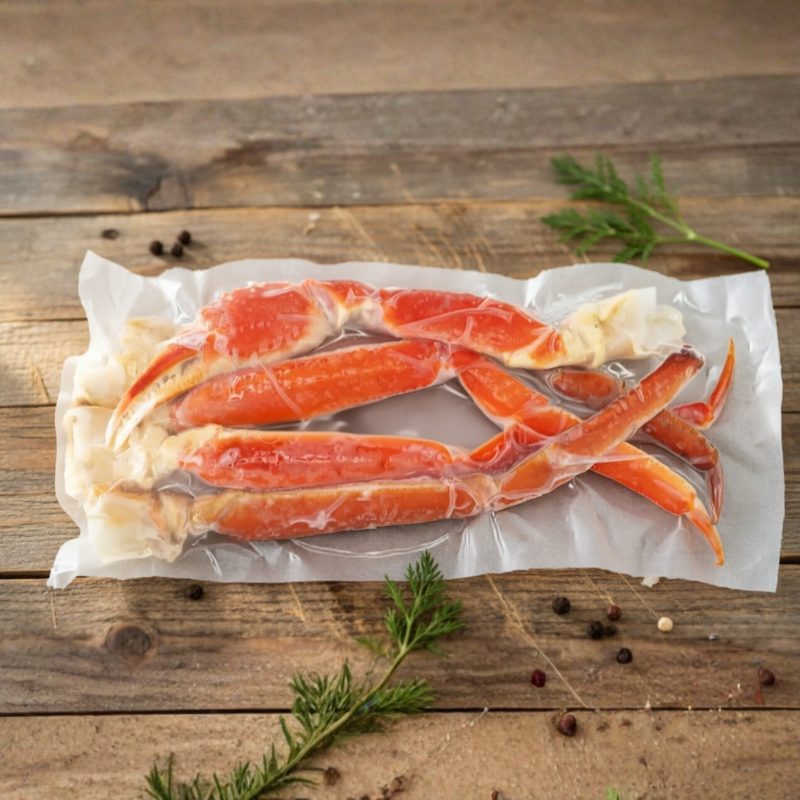
surimi packaging film
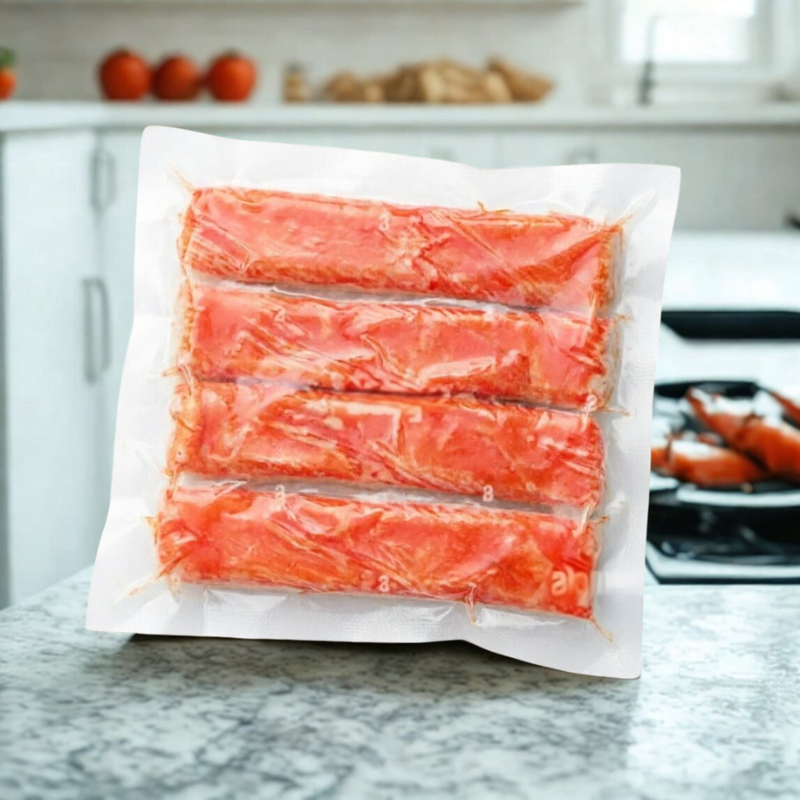
surimi packaging film
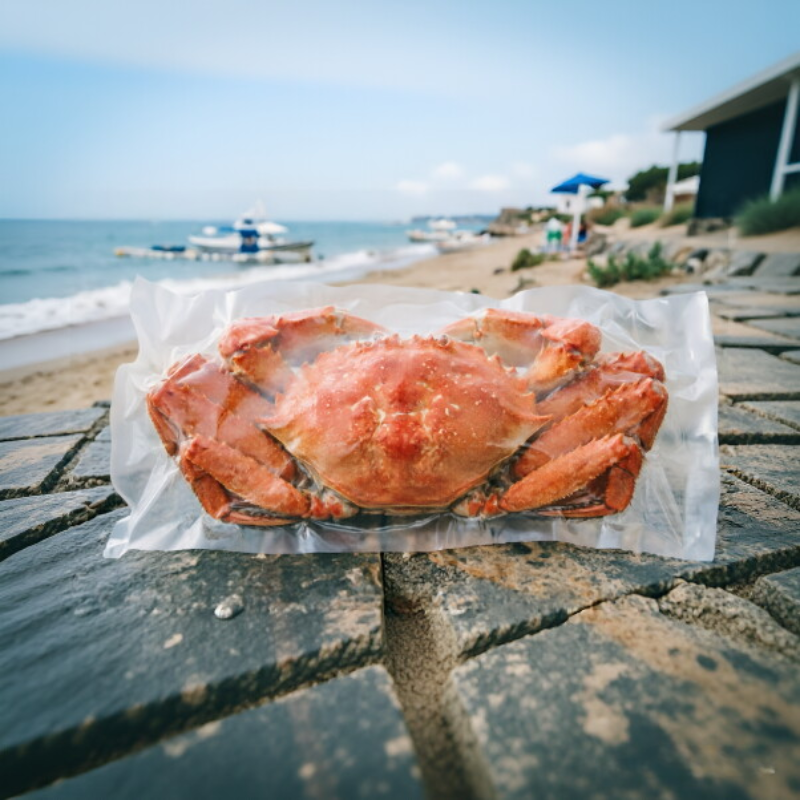
BOPA film for food packaging
4. Why Surimi Packaging Film Requires Strong Barriers
Now let's connect barrier properties to a real application: surimi packaging film. Surimi is a refined fish paste that is highly sensitive to oxygen and odor loss. As a surimi packaging film, BOPA film provides the necessary oxygen barrier to prevent protein oxidation. Oxidation turns surimi brown and creates off-flavors. Additionally, surimi packaging film must retain the delicate seafood aroma. BOPA film used as surimi packaging film also resists punctures from freezing and handling. Without proper surimi packaging film, surimi quality degrades within weeks. Thus, BOPA film directly extends surimi shelf life.
5. BOPA for Imitation Crab Meat: A Perfect Match
Imitation crab meat (surimi-based seafood) has even stricter requirements. BOPA for imitation crab meat must balance barrier, strength, and transparency. BOPA for imitation crab meat offers an oxygen barrier that prevents the white flesh from yellowing. It also provides a moisture barrier that stops freezer burn. BOPA for imitation crab meat is often laminated with PE for heat sealing. This laminate structure keeps the product moist but not wet. Additionally, BOPA for imitation crab meat allows consumers to see the product without opening the bag. Visual inspection is crucial for quality control. For these reasons, BOPA for imitation crab meat has become an industry standard.
6. Choosing BOPA Film for Food Packaging Applications
Finally, when you select BOPA film for food packaging, you must match barrier properties to product needs. BOPA film for food packaging is ideal for frozen seafood, processed meats, and ready meals. However, BOPA film for food packaging alone may not suffice for very high-moisture or long-shelf-life products. In those cases, BOPA film for food packaging is combined with high barrier coatings. For surimi and imitation crab, BOPA film for food packaging provides the perfect balance. It offers moderate oxygen barrier, excellent aroma retention, and superior puncture resistance. Therefore, BOPA film for food packaging remains a top choice for seafood processors worldwide.
7. Conclusion: Standard BOPA Film Delivers Reliable Barriers
In summary, BOPA film offers an oxygen barrier of 40–60 cc/m²/day and a moderate moisture barrier. Standard BOPA film excels at aroma retention and mechanical strength. As a surimi packaging film, it prevents oxidation and color change. For BOPA for imitation crab meat, it ensures freshness and visual appeal. Ultimately, BOPA film for food packaging provides a dependable, cost-effective solution. Always verify lamination structures for specific shelf-life targets, but trust BOPA film as a proven performer.