
1. Understanding Food Contact Safety Standards
When evaluating any packaging material, the first question is always about safety. So, is standard BOPA film food-safe? The answer is yes. Standard BOPA film complies with major global regulations, including FDA (21 CFR 177.1500) and EU Framework Regulation (EC) No 1935/2004. BOPA film does not contain harmful plasticizers or heavy metals. It is manufactured without toxic additives that could migrate into food. This makes BOPA film legally approved for direct contact with dry, fatty, and acidic foods. Manufacturers trust BOPA film because it maintains chemical inertness under normal storage conditions. Without this compliance, no food package is truly safe.
2. Why Barrier Properties Directly Impact Food Safety
Safety is not only about chemical stability. A package must also block external contaminants. This is where high barrier BOPA film plays a critical role. High barrier BOPA film provides excellent resistance to oxygen, moisture, and odor transmission. By reducing oxygen ingress, high barrier BOPA film prevents aerobic bacteria and mold from growing on food surfaces. It also stops moisture loss or gain, which can spoil texture and flavor. Therefore, high barrier BOPA film turns a simple wrapper into an active safety shield. Without this barrier layer, even a non-toxic film fails to protect food from spoilage.
3. The Physical Strength of High Barrier Packaging Film
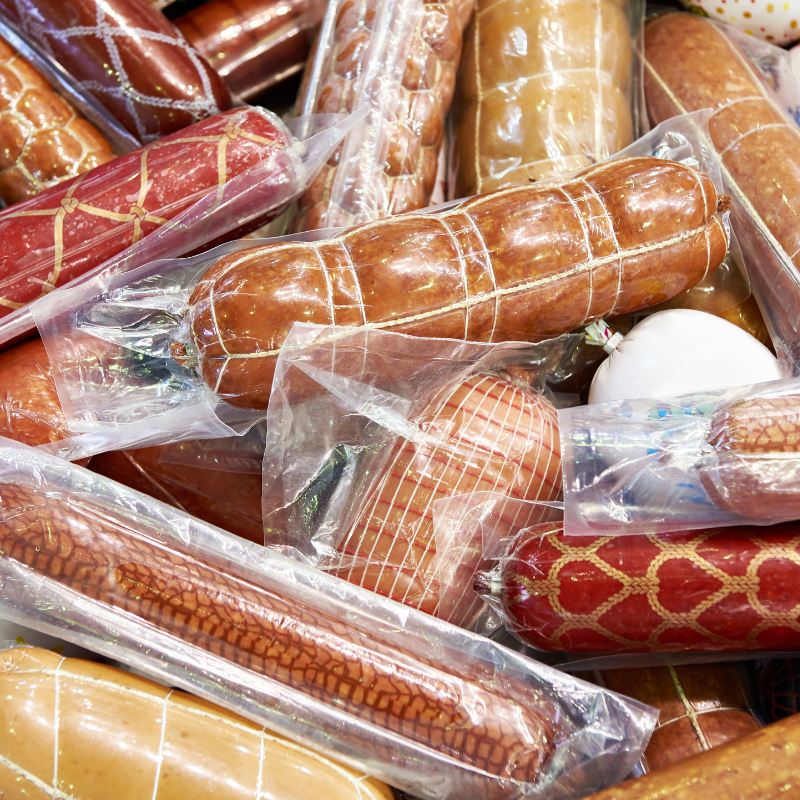
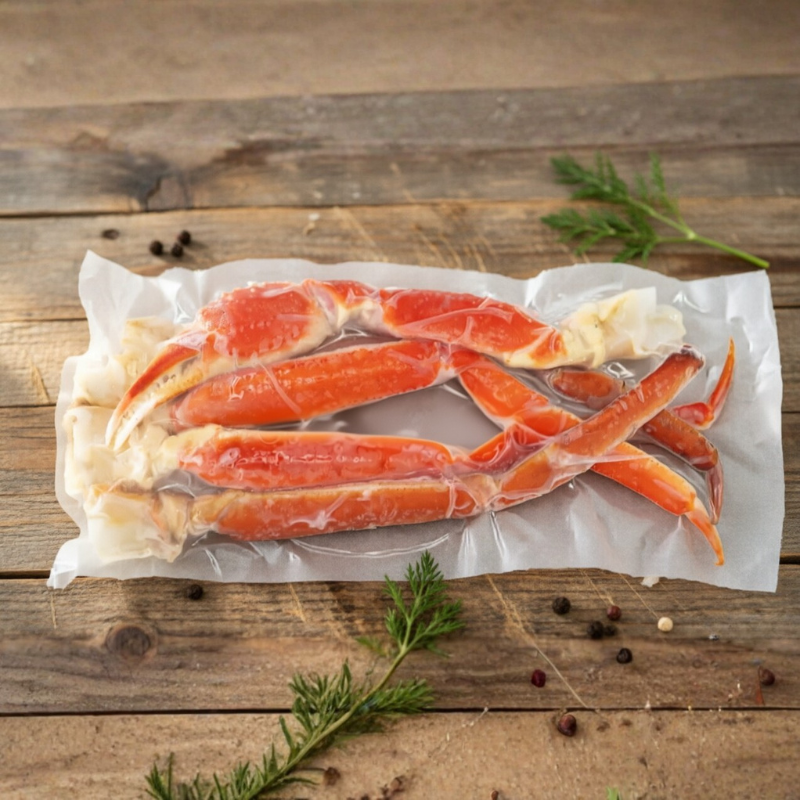
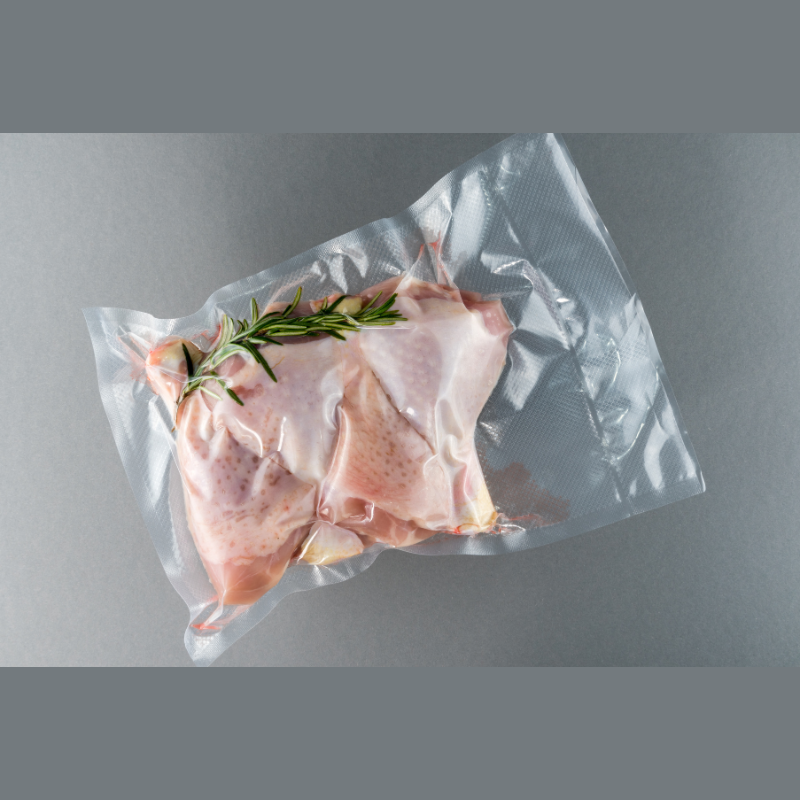
Another key factor is mechanical durability. High barrier packaging film made from BOPA offers exceptional puncture and tear resistance. Why is this important for safety? Because sharp food items like fish bones, pasta shells, or granola clusters can pierce weaker films. Once punctured, a high barrier packaging film loses its seal, allowing bacteria and insects to enter. BOPA-based high barrier packaging film withstands such mechanical stress during transport and storage. It also resists flex cracking, which is common with other films. This strength ensures the package remains intact from factory to fork. For this reason, high barrier packaging film is preferred for frozen foods and vacuum-packed meats.
high barrier BOPA film
high barrier BOPA film
high barrier BOPA film
4. Comparing Different Barrier Films for Food Packaging
Not all barrier films perform equally. Among available barrier films for food packaging, BOPA stands out for its balance of transparency and gas barrier. Many barrier films for food packaging use EVOH or PVDC, but those can be expensive or less transparent. Barrier films for food packaging based on BOPA offer excellent clarity, allowing visual inspection without opening the seal. This visual access is a hidden safety feature: consumers and quality control staff can see discoloration or leaks immediately. Additionally, barrier films for food packaging like BOPA are compatible with printing, so expiration dates and handling instructions remain readable. Thus, selecting the right barrier films for food packaging directly reduces foodborne illness risks.
5. Why Professionals Choose BOPA Film for Food Packaging
When designing a safe package, converters frequently select BOPA film for food packaging due to its versatility. BOPA film for food packaging laminates easily with polyethylene (PE) or cast polypropylene (CPP). This lamination creates a structure that withstands retort, boiling, and freezing. For example, BOPA film for food packaging is used for ready-to-eat meals, cheese blocks, and liquid pouches. Moreover, BOPA film for food packaging resists oils and greases, which can degrade other films. It also performs well under high humidity, unlike some cellophane-based barriers. Because of these traits, BOPA film for food packaging has become a standard in the global food industry. Using it means fewer recalls and safer consumers.
6. Final Verdict: Safe, Reliable, and Highly Recommended
In conclusion, standard BOPA film is fully food-safe when sourced from compliant suppliers. Its chemical stability meets international regulations, while high barrier BOPA film adds protection against oxygen and moisture. As a proven high barrier packaging film, BOPA outperforms many alternatives in puncture resistance and clarity. Among barrier films for food packaging, it offers an ideal balance of cost, transparency, and mechanical strength. Therefore, choosing BOPA film for food packaging is a responsible decision for any brand. Always verify supplier certifications, but rest assured that BOPA film delivers both safety and performance. For frozen, retort, or dry foods, BOPA film remains a top-tier solution.
Xiamen Changsu Industrial Co., Ltd. (also referred to herein as “Changsu Industrial”) is a worldwide leader in advanced film material manufacturing. Our primary business focuses on Research and Development and intelligent manufacturing of film materials. We own two subsidiary companies: Fujian Changsu Industrial Co., Ltd. and PT Changsu Industrial Indonesia.