
In the world of flexible packaging, few materials are as versatile as Biaxially Oriented Polyamide (BOPA) film. Often referred to as the "workhorse" of the industry, BOPA is prized for its exceptional puncture resistance, transparency, and mechanical strength. However, one of its most critical functions in modern packaging is its barrier property.
But what exactly are we protecting our products from? When industry professionals discuss the barrier properties of BOPA film, they are referring to its ability to impede the transmission of several specific substances. Understanding these is key to selecting the right EVOH laminated BOPA film or other advanced structures for your specific application.
1. Oxygen (The Primary Target)
The most significant function of a barrier film is to keep oxygen out. Oxygen is the enemy of freshness. It causes fats to go rancid, degrades vitamins, alters color, and supports the growth of aerobic bacteria.
A standard BOPA film offers a good inherent barrier to oxygen. However, for products requiring extended shelf life, the barrier must be enhanced. This is achieved through coating or lamination. For example, an EVOH laminated BOPA film combines the structural integrity of nylon with the ultra-high oxygen barrier of Ethylene Vinyl Alcohol (EVOH). This synergy creates an impenetrable shield against oxygen, making it the ideal BOPA film for oxygen sensitive foods like aged cheeses, cured meats, and coffee.
2. Water Vapor (Moisture)
While BOPA itself is slightly sensitive to moisture (it can absorb humidity, which is managed during processing), in a multi-layer structure, it contributes significantly to moisture control. In laminations with polyolefins or specialized coatings, the barrier against water vapor prevents dry goods from clumping and preserves the texture of food products. This is crucial for BOPA film for dry and wet pet food, where maintaining the precise moisture content—keeping kibble crunchy or wet food sealed—is vital for palatability and safety.
3. Aromas and Odors (The "Scent Lock")
Imagine opening a package of strong cheese or spiced meat to find it smells like cardboard. This "flavor scalping" or odor penetration happens when a film lacks a proper aroma barrier.
High-quality barrier BOPA films are engineered to prevent the migration of volatile organic compounds. This means the rich aroma of prepared meals stays inside the package until the consumer opens it, and external odors from the warehouse or adjacent products are locked out. This is a non-negotiable feature for film for cheese sauce and prepared meats, where flavor integrity defines the brand experience.
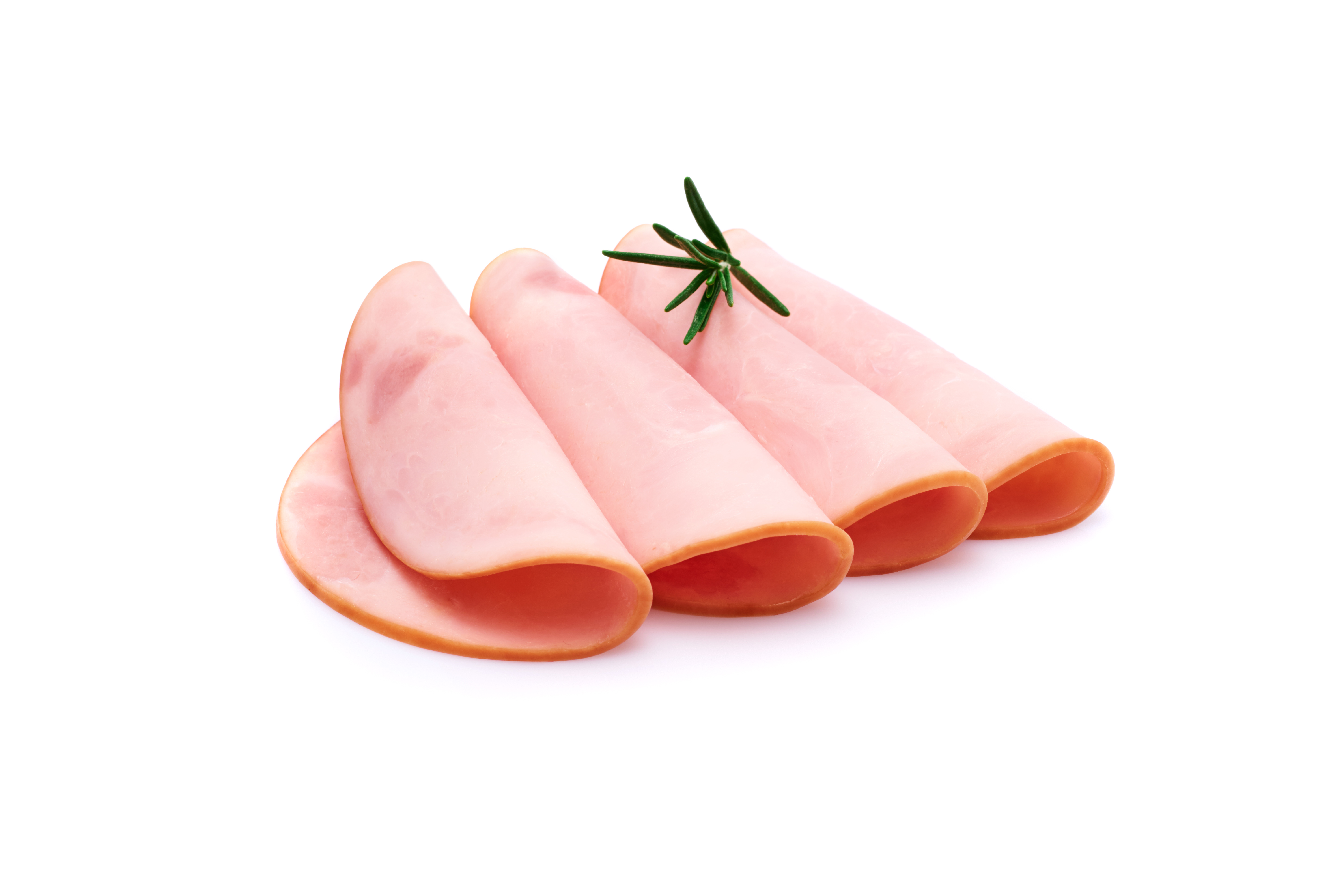
EVOH laminated BOPA film
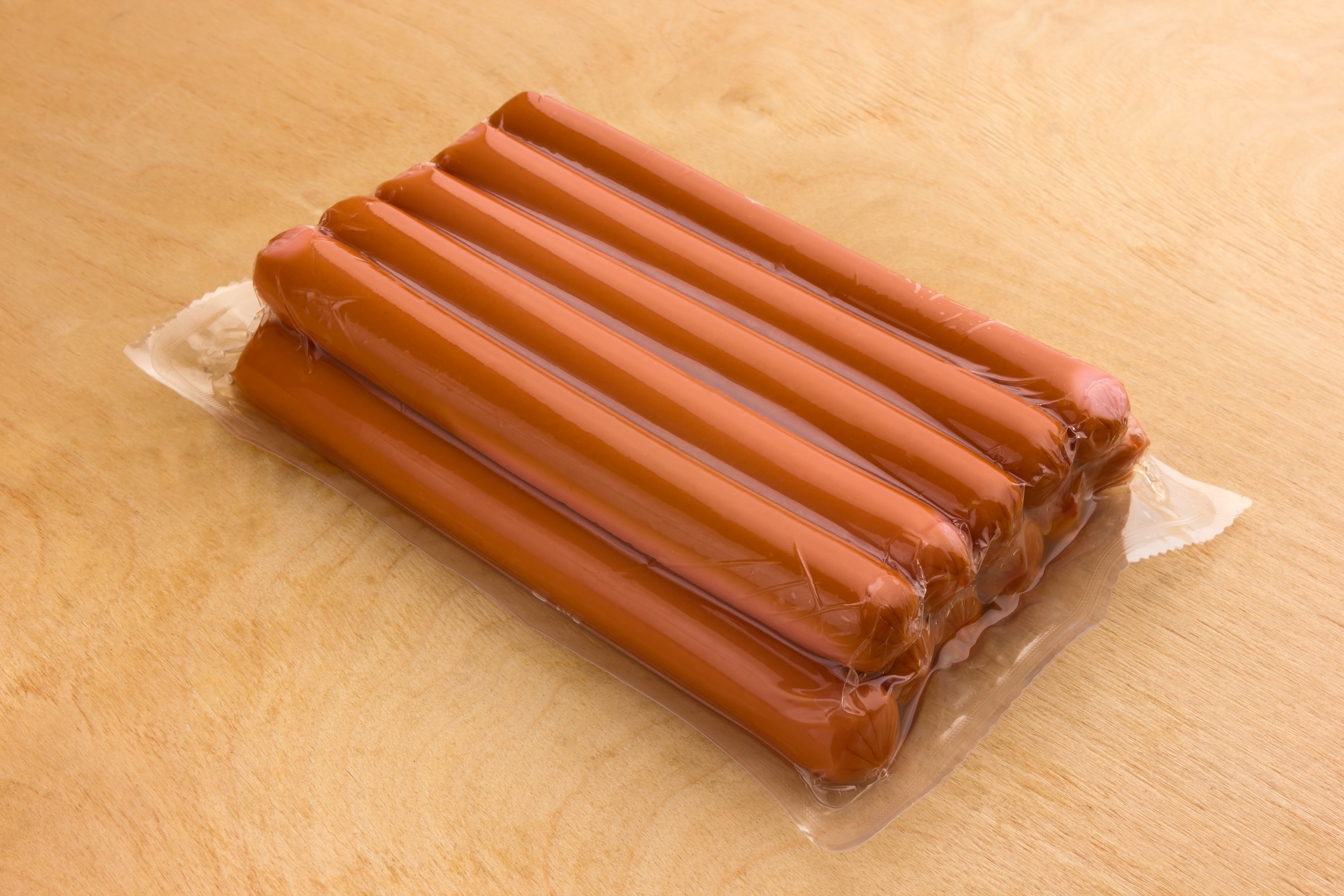
thin gauge high barrier solution
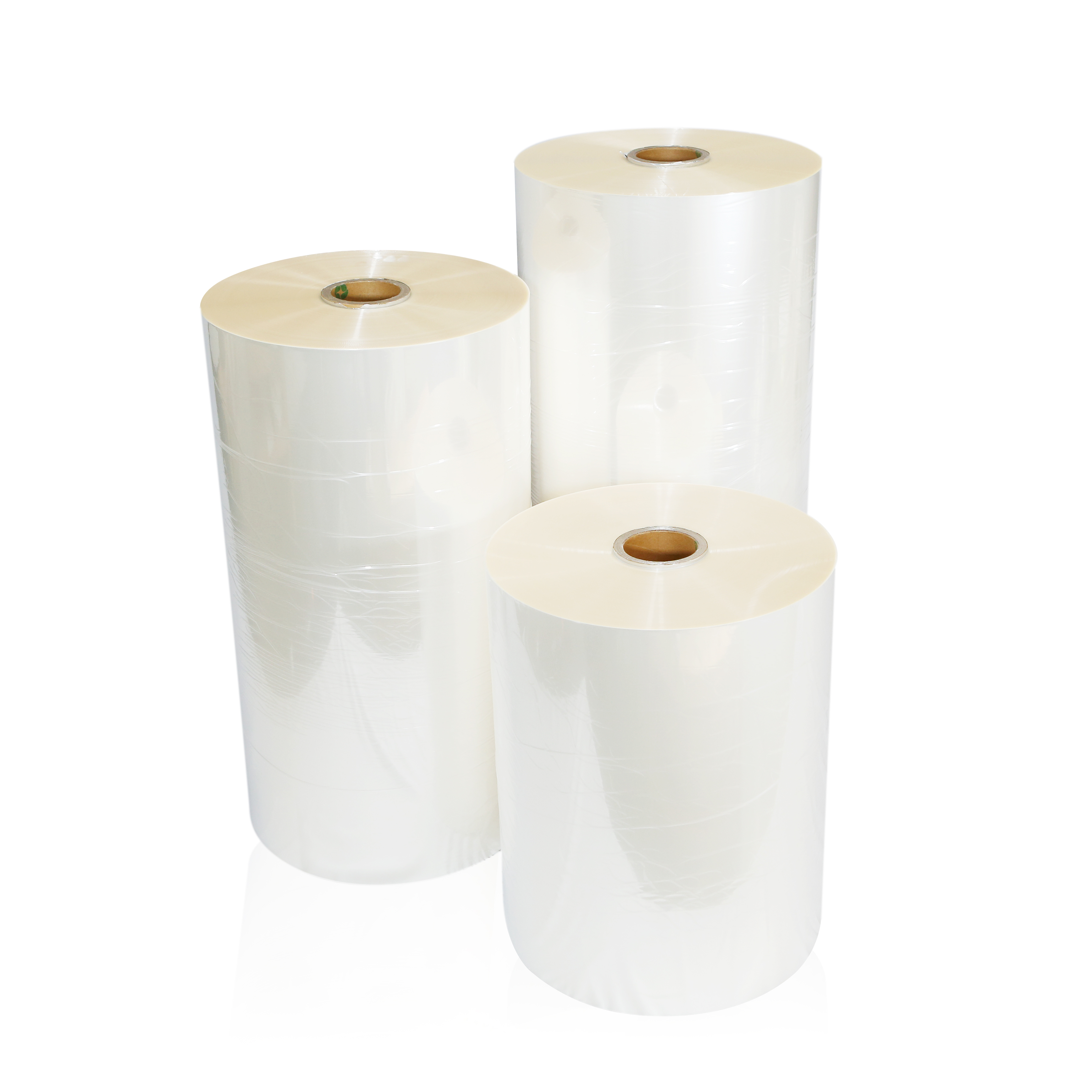
BOPA film for oxygen sensitive foods
4. Grease and Oils
Because polyamide is inherently oil-resistant, BOPA provides a natural barrier against grease. This prevents unsightly staining on the outside of the package and ensures that the structural integrity of the film isn't compromised by fatty acids penetrating the layers. For high-fat content products like oily fish, nuts, or pet food packed with animal fats, this grease resistance is essential.
5. Light (UV and Visible)
While not a primary function of all BOPA films, specialized versions can incorporate UV blockers. For light-sensitive products—such as certain pharmaceuticals, beers, or cooking oils—protecting against UV radiation prevents photodegradation, which can cause off-flavors and nutrient loss.
The Future: Maximizing Efficiency
As sustainability pressures mount, the industry is moving toward maximizing protection while minimizing material usage. The goal is to find a thin gauge high barrier solution that delivers the same performance as thicker, more resource-intensive packages. By engineering thinner films with superior barrier coatings or utilizing precise co-extrusion technologies like those found in advanced laminates, manufacturers can reduce plastic consumption without compromising the "substance barrier" weve discussed.