
In the competitive arena of advanced flexible packaging, material selection extends far beyond barrier performance alone. The physical robustness of a film—its ability to withstand the rigors of high-speed conversion, filling, distribution, and end-use—is equally critical. Biaxially Oriented Polyamide (BOPA) film distinguishes itself not only as a premier high barrier film but also through an exceptional suite of mechanical properties. These characteristics, including high tensile strength, superior puncture resistance, and excellent flex endurance, are what transform BOPA from a simple barrier layer into a reliable, durable barrier packaging film capable of protecting products in the most demanding applications.
The cornerstone of BOPA’s mechanical prowess is its exceptional tensile strength and modulus. Through the precise biaxial orientation process, the polymer chains of the polyamide are aligned in both the machine (MD) and transverse (TD) directions. This alignment creates a highly ordered, crystalline structure that resists pulling forces. BOPA typically exhibits tensile strength in the range of 200 to 300 Megapascals (MPa) and a high elastic modulus, meaning it is both very strong and resistant to stretching under load. This high strength and dimensional stability are fundamental for high barrier packaging film performance, as they ensure the film can withstand the high tensions encountered during printing, laminating, and metallizing processes without thinning or breaking. This results in fewer web breaks, higher production yields for converters, and a consistently robust final package.
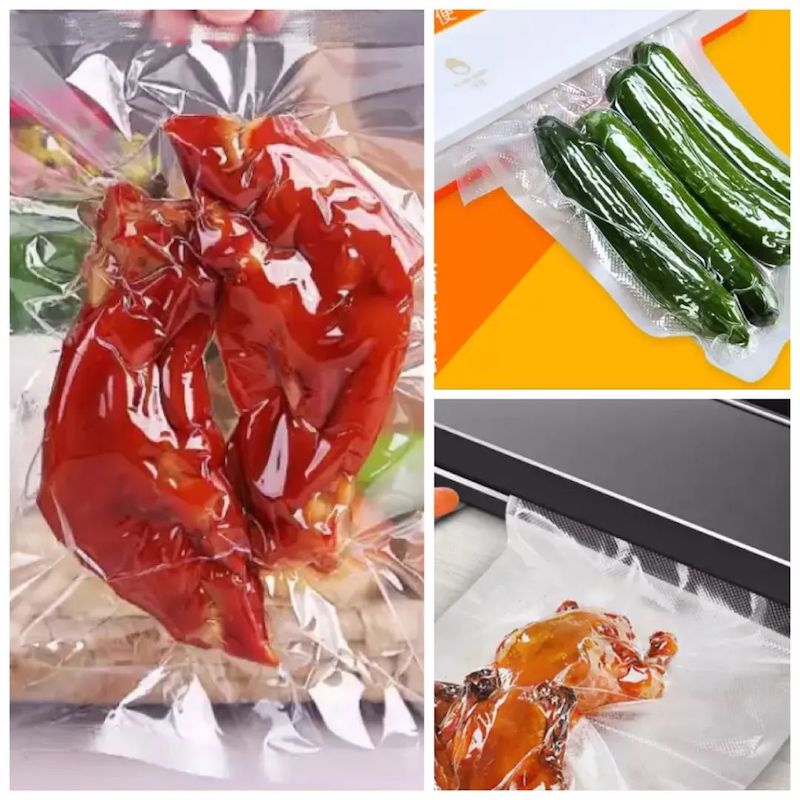
Perhaps the most celebrated mechanical property of BOPA is its superior puncture and abrasion resistance. The toughness imparted by the biaxial orientation gives BOPA an outstanding ability to resist penetration from sharp points and edges, as well as damage from scraping or rubbing. This is quantified by high puncture resistance values (often measured in joules or Newtons) that significantly exceed those of other common films like BOPP or BOPET. For barrier films for food packaging, this property is invaluable. It allows BOPA-based pouches to safely contain products with sharp protrusions—such as bone-in meats, frozen vegetables, hard cheeses, or pet food kibble—without failure during filling, transportation, or handling by consumers. It also protects the integrity of the high barrier packaging from external abrasion that could otherwise create microscopic pinholes and compromise the barrier.
Product Title
Product Title
Product Title
Product Title
Complementing its puncture resistance is BOPA’s excellent flex-crack endurance. Packaging films, especially in stand-up pouches or frequently handled bags, are subjected to repeated bending and flexing. A material prone to flex-cracking will develop stress-induced micro-fractures, leading to barrier failure and package integrity loss. The molecular structure of oriented BOPA provides remarkable resistance to this type of fatigue, allowing it to be flexed thousands of times without compromising its protective function. This durability is essential for ensuring that a barrier packaging film maintains its performance throughout the product's lifecycle, from the filling line to the consumer's pantry.
Furthermore, BOPA maintains good mechanical performance across a wide temperature range. It retains its toughness and flexibility at freezing temperatures (as low as -60°C), making it an excellent choice for frozen food packaging. Simultaneously, special high-temperature grades retain sufficient strength and integrity to survive the thermal and pressure shocks of retort sterilization processes (up to 135°C), a key requirement for creating shelf-stable high barrier packaging.
Synergy with Barrier Function in Real-World Applications
These mechanical properties do not exist in isolation; they synergize directly with BOPA’s barrier function to create a truly high-performance material. For instance:
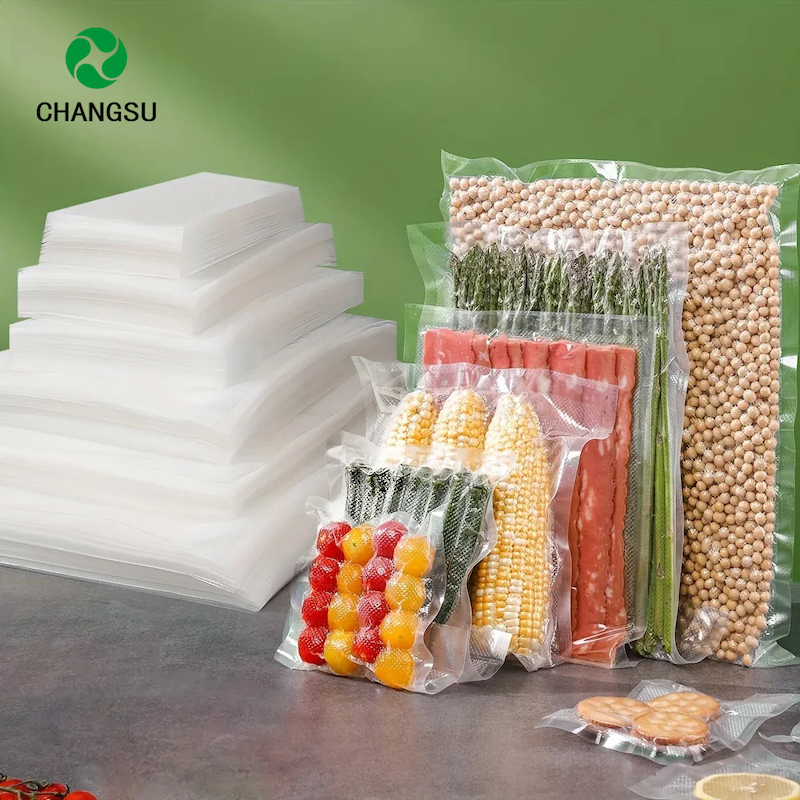
A vacuum-packed steak requires both an oxygen barrier to prevent discoloration and puncture resistance to withstand the bone.
A bag of sharp, frozen fries requires a moisture barrier to prevent freezer burn and flex-crack resistance to endure handling at low temperatures.
A retort pouch for a ready meal must maintain barrier properties after sterilization and possess the tensile strength to withstand the internal pressures of the retort cycle without bursting.
In each case, BOPA’s combination of mechanical and barrier properties provides a unified solution.
The Foundation of Durable, High-Performance Packaging
The primary mechanical properties of BOPA film—high tensile strength and modulus, exceptional puncture and abrasion resistance, and excellent flex-crack endurance—are integral to its identity as a high barrier packaging film. These properties ensure that the critical barrier performance is not theoretical but is physically protected and maintained through every stage of the packaging process and product use. They enable BOPA to move beyond protecting just against gases and aromas, to also providing robust physical protection for the product inside. For packaging engineers designing solutions for demanding applications—from heavy-duty industrial bags to premium food pouches—the mechanical robustness of BOPA is a fundamental reason it is selected as the core component in reliable, high-integrity high barrier packaging. It is this dual offering of formidable barrier and mechanical performance that solidifies BOPA's status as an enabling material for modern, resilient flexible packaging.