
A pivotal question in the design of advanced food and medical packaging is whether a material can withstand the rigorous process of terminal sterilization, particularly high-temperature methods like retorting. For Biaxially Oriented Polyamide (BOPA) film, the answer is a definitive yes—when the correct grade is specified. Specially engineered retort-grade BOPA film is explicitly designed to endure the harsh conditions of sterilization at temperatures up to 135°C (275°F) for extended periods. This capability transforms it from a standard high barrier film into a critical component for creating safe, shelf-stable, ambient-storage products, making it a cornerstone of modern high barrier packaging for low-acid foods.
The Science of Retort-Grade BOPA Performance
Standard BOPA films offer excellent oxygen barrier and mechanical properties, but the intense heat and pressure of a retort cycle (typically involving saturated steam) can cause delamination, severe degradation of barrier properties, or physical failure in non-specialized grades. Retort-grade BOPA overcomes these challenges through targeted material science and advanced processing:
Enhanced Thermal and Dimensional Stability: The polymer formulation and biaxial orientation process for retort-grade film are optimized to lock in the film's molecular structure. This minimizes heat-induced shrinkage and maintains dimensional integrity under thermal stress, preventing puckering or distortion of the final pouch that could compromise seals.
Superior Adhesion in Laminates: Retort processing subjects the adhesive bonds between laminate layers to extreme thermal and mechanical shock. Retort-grade BOPA is manufactured with surface characteristics and treatment levels specifically tailored for use with high-performance retort-resistant adhesives (e.g., polyurethane or epoxy-based). This ensures the barrier packaging film structure remains intact as a unified, delamination-proof unit.
Preservation of Barrier Properties Post-Sterilization: The most critical function of a high barrier packaging film is to maintain its protective performance after processing. High-quality retort-grade BOPA is engineered so that its highly oriented crystalline structure, responsible for its excellent oxygen barrier, recovers after the thermal cycle. While there may be a minor, predictable reduction, the film retains the vast majority of its pre-retort oxygen transmission rate (OTR), continuing to protect the product from oxidation throughout its multi-year shelf life.
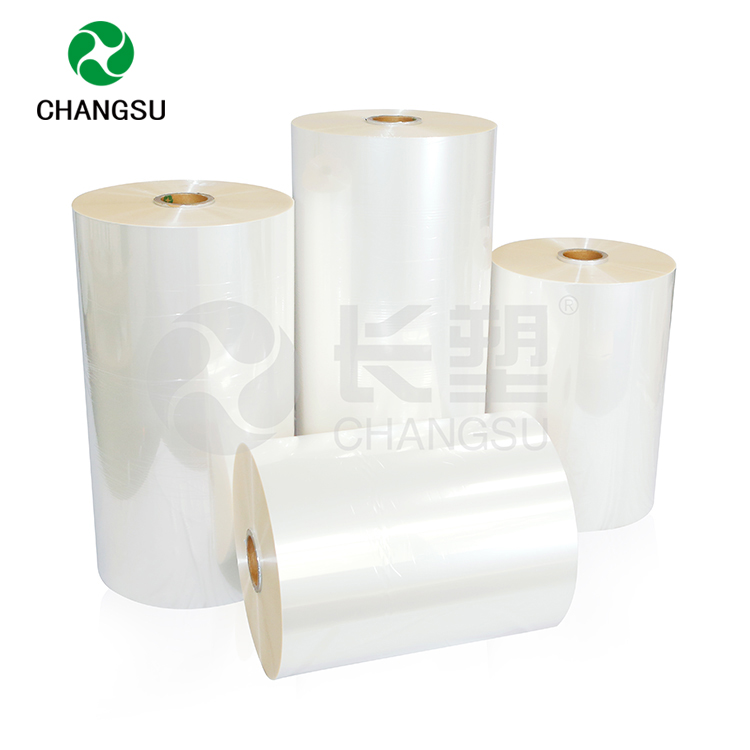
high barrier film
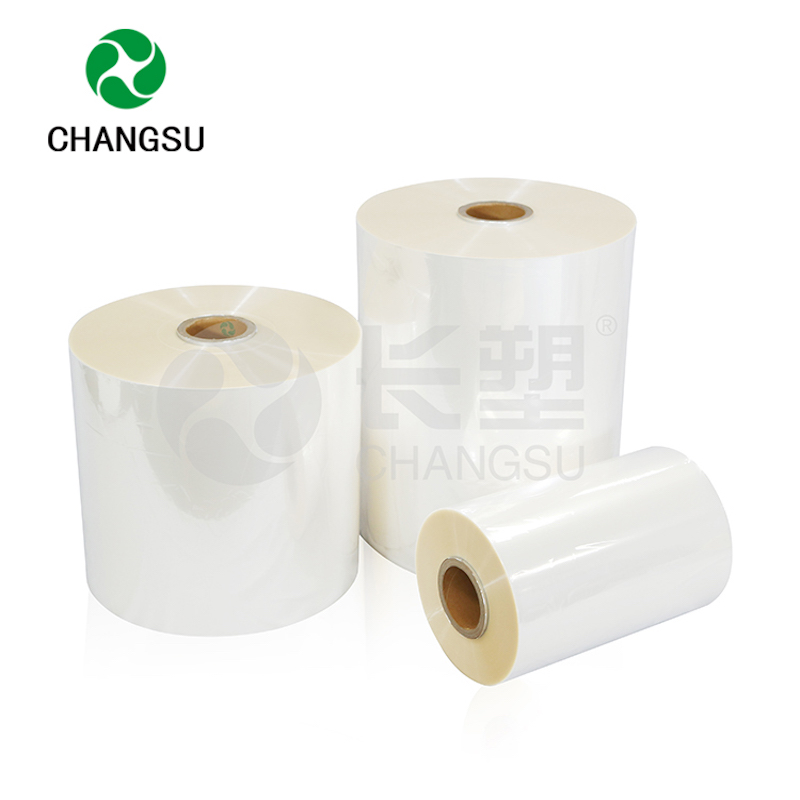
high barrier packaging
high barrier packaging film
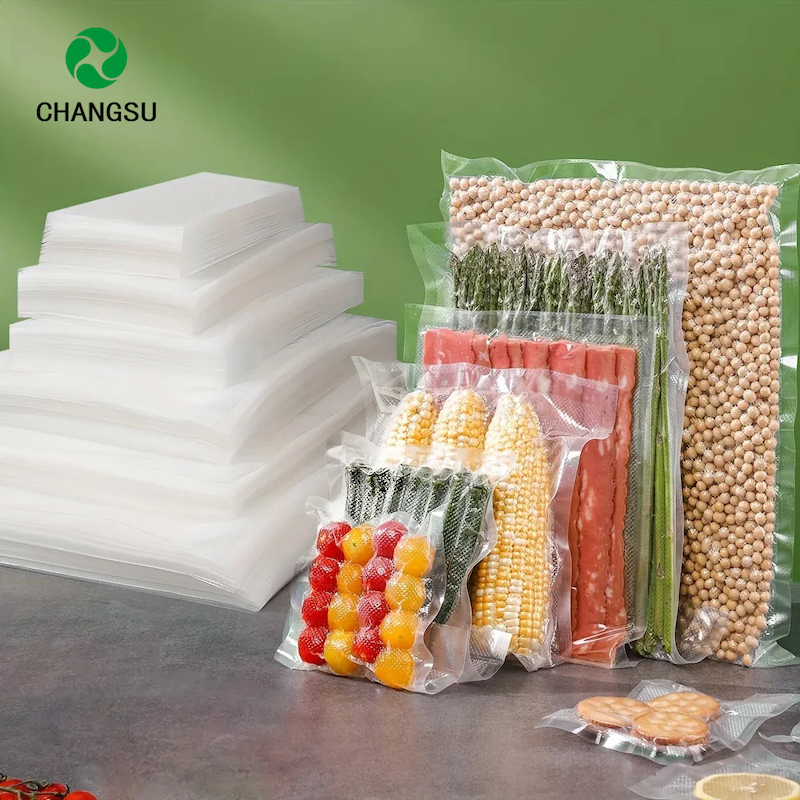
barrier films for food packaging
Application in Retort Pouch Structures
In practice, retort-grade BOPA is never used alone. Its performance is realized within a meticulously engineered multi-layer laminate, a sophisticated example of barrier films for food packaging. A classic and robust retort pouch structure is: PET (12µ) / Adhesive / Retort-Grade BOPA (15µ) / Adhesive / Cast Polypropylene (CPP, 70µ).
Outer PET Layer: Provides mechanical strength, puncture resistance, and an excellent printing surface.
Core BOPA Layer: Serves as the primary, robust oxygen and aroma high barrier film. Its retort-grade properties are the key to the structure's survival.
Inner CPP Sealant Layer: Provides a hermetic seal and critical chemical resistance against the product (often oily or acidic). Special retort-grade CPP is used that can bond securely to the BOPA and withstand the processing heat.
This synergistic structure is subjected to pre-production testing, simulating the full retort cycle to validate that all components—especially the BOPA layer and its bonds—perform as required.
Benefits for Product Safety and Quality
The use of retort-grade BOPA enables revolutionary packaging formats with significant advantages:
Creation of Shelf-Stable Products: It allows for the packaging of low-acid foods (pH > 4.6) like meats, vegetables, soups, sauces, and pet food, which are sterilized in-package. This destroys all pathogenic and spoilage microorganisms, enabling safe storage for 18 to 36 months or more at ambient temperatures without refrigeration—the pinnacle of high barrier packaging.
Preservation of Quality: Compared to traditional canning, retort pouches using BOPA offer faster heat penetration and cooling due to their thin profile. This results in less overall thermal exposure, better retention of nutrients, flavors, colors, and texture.
Lightweight and Convenient: The final package is significantly lighter and more space-efficient than metal or glass containers, reducing logistics costs and offering consumer convenience.
A Specialized Solution for Demanding Processing
Not all BOPA films are suitable for high-temperature sterilization, but specially formulated retort-grade BOPA absolutely is. Its development represents a significant advancement in polymer science, allowing it to function as the indispensable, high-performance core in barrier films for food packaging designed for the most demanding thermal processing. By maintaining its structural integrity, adhesive bonds, and—most importantly—its essential barrier properties after exposure to 135°C steam, retort-grade BOPA film unlocks the potential for safe, high-quality, shelf-stable flexible packaging. For brands and processors looking to innovate in the category of ambient-stable meals and other sterile products, understanding and specifying this specialized grade of high barrier packaging film is a fundamental step in achieving a successful, reliable, and safe final product.