
In the flexible packaging industry, selecting the right material is critical to ensuring product protection, shelf appeal, and sustainability compliance. Three of the most commonly compared materials are Biaxially Oriented Polyamide (BOPA), Biaxially Oriented Polylactic Acid (BOPLA), and Biaxially Oriented Polypropylene (BOPP). While they share the same manufacturing process—biaxial orientation—their performance characteristics diverge significantly due to their distinct polymer bases.
Understanding these differences is essential for packaging engineers and brand owners aiming to optimize their packaging structures, whether they require the rugged durability of an EVOH laminated BOPA film for processed meats or the eco-friendly profile of BOPLA for sustainable initiatives.
1. Mechanical Strength and Durability
BOPA Film: Known as the "tough" film, BOPA film excels in mechanical properties. It offers exceptional puncture resistance, tensile strength, and the ability to withstand rough handling and sharp product edges (such as bones in meat packaging or hard grains in pet food) . Its elongation at break is high, allowing it to absorb impacts without tearing. This makes it the structural backbone for demanding applications.
BOPP Film: BOPP film provides good tensile strength and stiffness but has significantly lower puncture and flex-crack resistance compared to BOPA . Its primary mechanical advantage lies in its high clarity and stiffness, which provides excellent shelf presence. However, it is more prone to tearing if nicked .
BOPLA Film: As a newer bio-based option, BOPLA offers moderate mechanical strength. The orientation process improves its properties by about 40% compared to non-oriented PLA, but it generally cannot match the toughness of BOPA . Its mechanical performance is sufficient for light-duty packaging like flower wraps and bakery items but is not suitable for heavy or sharp contents .
2. Barrier Properties
BOPA Film: Natively, BOPA film provides an excellent barrier to oxygen, aromas, and oils, making it ideal for preserving freshness . However, it is hydrophilic (attracts moisture), meaning its barrier drops in high humidity. To achieve the highest protection, manufacturers often use a High Barrier BOPA Film structure, such as coating or laminating. For instance, an EVOH laminated BOPA film sandwiches EVOH between nylon layers, creating an ultra-high barrier against oxygen (as low as <2 cc/m²/day) while maintaining the mechanical toughness of the base film .
BOPP Film: BOPP provides an excellent barrier against water vapor (moisture), which is superior to standard BOPA . However, its native oxygen barrier is poor. It is often coated or metallized to improve gas barrier performance .
BOPLA Film: BOPLA offers moderate water vapor and oxygen barrier properties. It is not considered a high-barrier material but provides sufficient protection for short-shelf-life products. Its key advantage is not performance but end-of-life: it is biodegradable in industrial composting conditions .
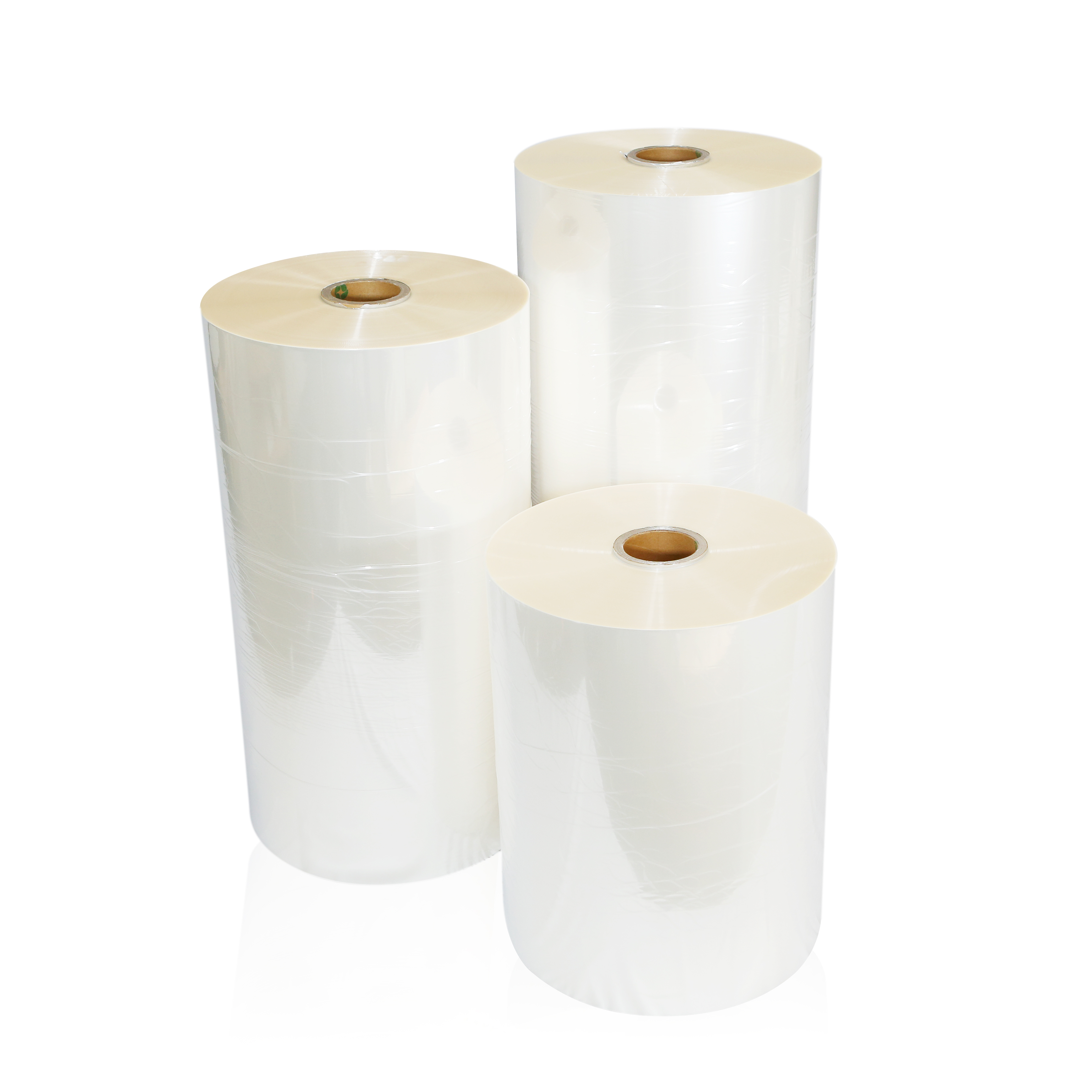
BOPA film
BOPP film
BOPLA film
3. Thermal Resistance
BOPA Film: One of the standout features of BOPA film is its ability to withstand extreme temperatures, ranging from -60°C to 150-200°C . This makes it the material of choice for retort applications (cooking food inside the package) where the film must endure high-temperature sterilization without delaminating or shrinking.
BOPP Film: BOPP has a much narrower service temperature range. It performs well in ambient and refrigerated conditions but cannot withstand boiling or retort temperatures without distorting .
BOPLA Film: BOPLA has lower heat resistance and is best suited for ambient temperature applications. It can deform under moderate heat, limiting its use in hot-fill or heat-intensive processes.
4. Sustainability Profile
BOPLA Film: This is the clear leader in sustainability among the three. Derived from renewable resources (like corn starch), BOPLA Film is designed to biodegrade under industrial composting conditions, breaking down into water and carbon dioxide . Its production also results in a significantly lower carbon footprint compared to fossil-based plastics like PP .
BOPP Film: BOPP is a fossil-based plastic. While it is technically recyclable, it does not biodegrade. Its lightweight nature does contribute to source reduction, which helps lower transportation emissions.
BOPA Film: BOPA film is also fossil-based and not biodegradable. However, the industry is moving toward thin gauge high barrier solutions, using ultra-thin films (e.g., 8-12 microns) combined with high barrier layers to reduce material consumption and improve recyclability in mixed streams .
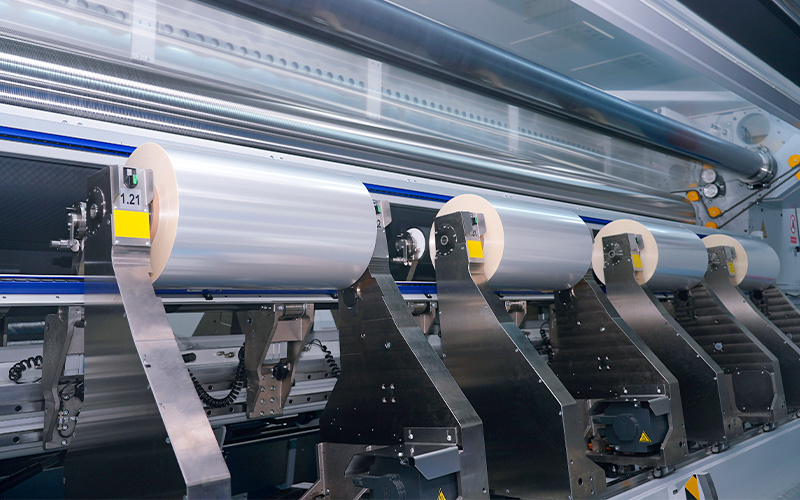
high barrier BOPA Film
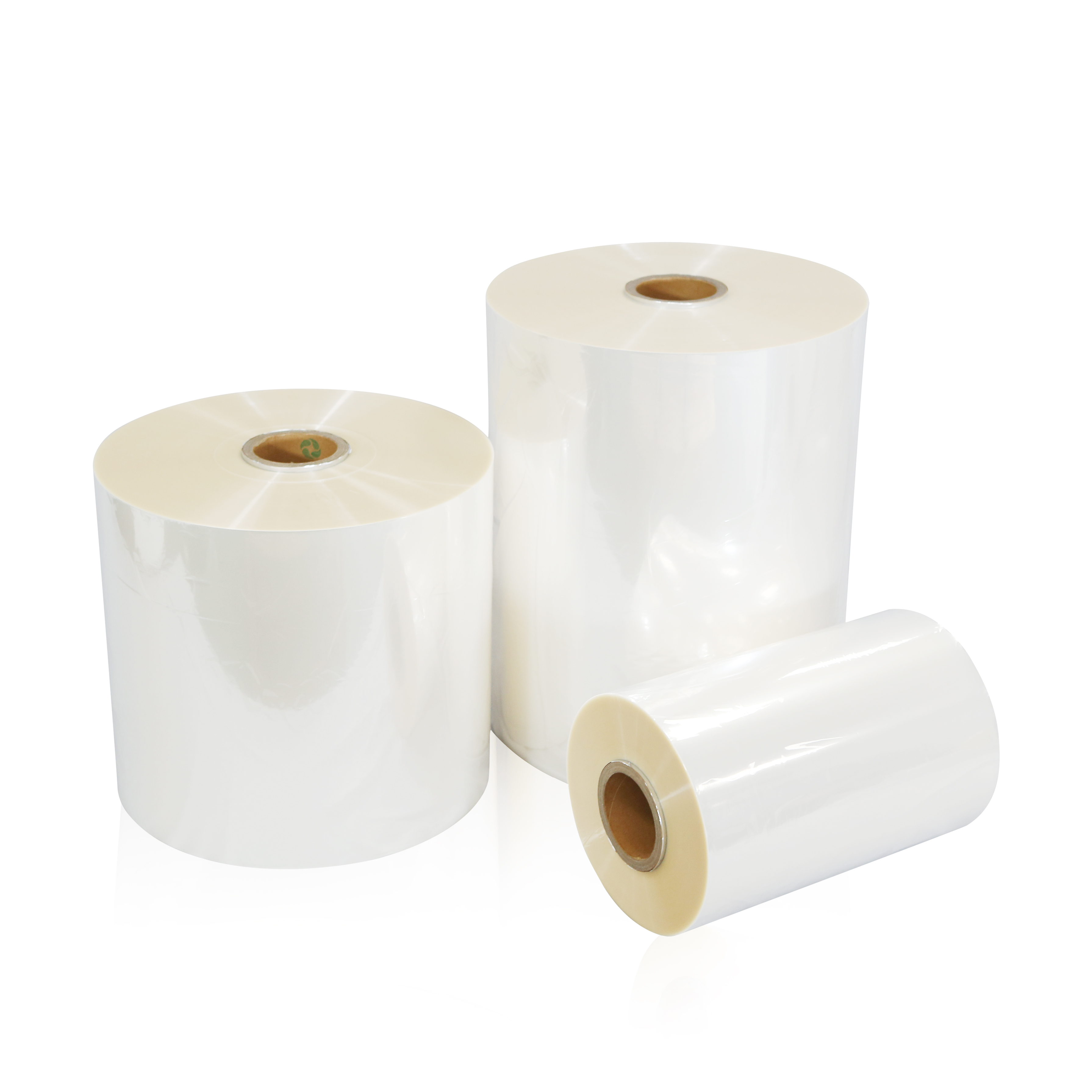
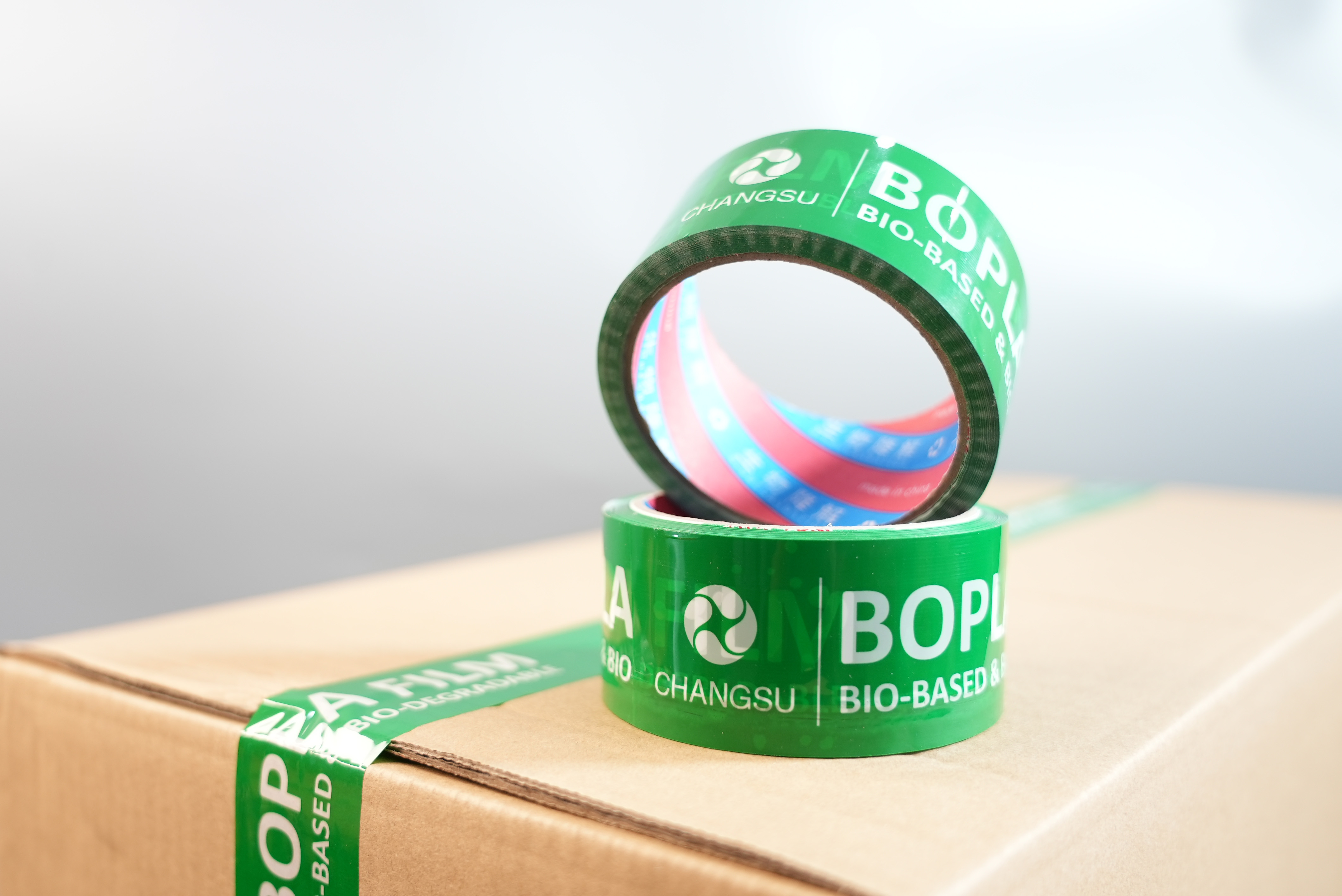
BOPLA film
BOPP film
5. Optical Properties
All three films offer excellent transparency and gloss when oriented.
BOPP is often the benchmark for high gloss and low haze, making it popular for display packaging .
BOPA offers very good transparency, though it can sometimes have slightly higher haze than BOPP depending on the grade .
BOPLA also provides good optical clarity, suitable for applications where product visibility is key .
Choosing between BOPA film, BOPP film, and BOPLA film depends entirely on the application's demands.
If you need rugged durability and high-temperature resistance for demanding products like cheese sauce or prepared meats, a High Barrier BOPA Film is the optimal choice.
If cost, stiffness, and moisture protection for dry goods are your priorities, BOPP is a workhorse material.
If your brand is pivoting toward sustainability and circular economy goals, BOPLA Film offers a compelling, compostable alternative.
By understanding these core performance differences, packaging professionals can design structures that balance protection, cost, and environmental responsibility.
Xiamen Changsu Industrial Co., Ltd. (Changsu), established in 2009, is a leading technology-driven BOPA and BOPLA film materials company that integrates research and development with intelligent manufacturing and global deployment. With an approximate total area of 450,000m2, our production facilities are located in China and Indonesia and are recognised worldwide as a premium supplier of high-performance films.