
1. Understanding Microwave Safety for Packaging Materials
Microwave safety is not automatic for all plastics. So, is standard BOPA film microwave-safe? The short answer is generally no. BOPA film is a biaxially oriented nylon with a melting point around 220°C (428°F). However, microwave heating creates hot spots that can exceed this locally. BOPA film also absorbs moisture, which turns into steam under microwave radiation. This steam expansion causes BOPA film to warp, shrink, or even rupture. Unlike polypropylene, BOPA film is not designed for direct microwave exposure. Therefore, understanding these limits is essential for food safety.
2. How Standard BOPA Film Reacts to Microwave Heating
Let’s examine the specific behavior of standard BOPA film in a microwave. When exposed to microwave energy, standard BOPA film heats unevenly due to its polar nylon structure. This uneven heating leads to localized melting and pinhole formation. Standard BOPA film also tends to shrink significantly because biaxial orientation relaxes under heat. In tests, standard BOPA film shows up to 30% shrinkage at 150°C. Additionally, standard BOPA film does not have a heat-sealable layer that withstands microwave steam pressure. For these reasons, standard BOPA film is not recommended for reheating prepared meals directly. Always remove standard BOPA film before microwaving.
3. Why High Barrier BOPA Film Is Even Less Microwave-Friendly
What about high barrier BOPA film? High barrier BOPA film typically includes additional layers like EVOH or aluminum oxide. These layers make high barrier BOPA film even less microwave-safe. EVOH absorbs moisture and loses barrier integrity under heat. Aluminum oxide coatings can create arcing (sparks) inside the microwave. Furthermore, high barrier BOPA film often has metalized surfaces for oxygen protection. Metalized high barrier BOPA film is strictly forbidden in microwaves because sparks can cause fires. Even non-metalized high barrier BOPA film traps steam between layers, leading to delamination. Thus, high barrier BOPA film should never enter a microwave oven.
surimi packaging film
surimi packaging film
BOPA film for food packaging
4. Surimi Packaging Film and Microwave Misconceptions
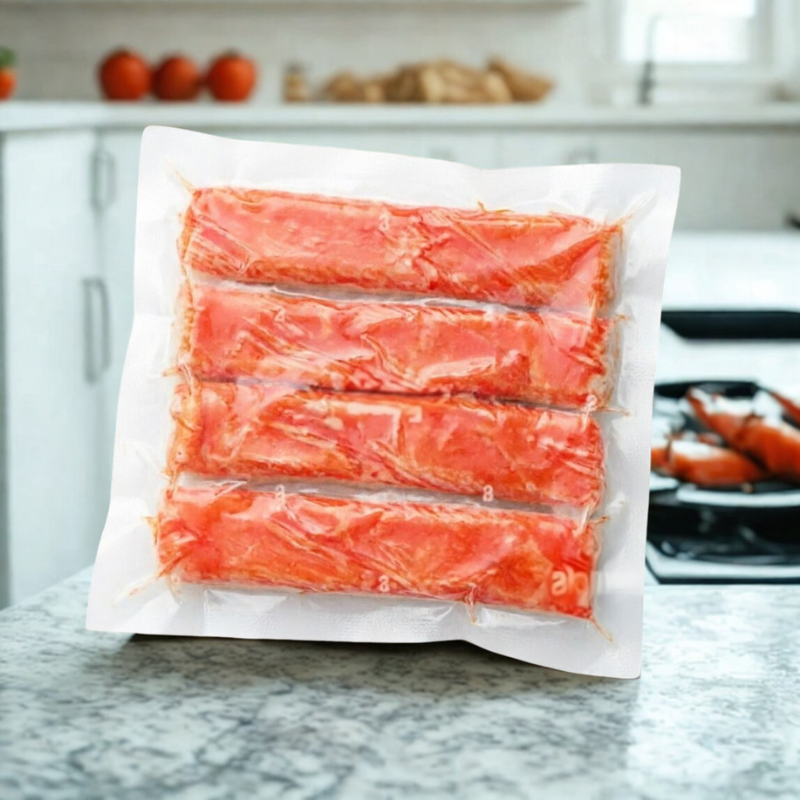
Now let’s address a specific application: surimi packaging film. Surimi (fish paste) is often sold in flexible pouches made of surimi packaging film. Many consumers assume that surimi packaging film is microwave-safe because surimi is cooked. This is false. Surimi packaging film is typically a laminate of BOPA film and PE. The BOPA film layer provides puncture resistance, while PE provides sealing. When microwaved, surimi packaging film shrinks away from the surimi block. More dangerously, surimi packaging film can melt onto the food surface. Consuming melted nylon particles is not safe. Therefore, always transfer surimi to a microwave-safe dish before reheating. Surimi packaging film is designed for frozen storage, not microwave heating.
5. Comparing Standard BOPA Film to Microwave-Safe Alternatives
How does standard BOPA film compare to truly microwave-safe materials? Standard BOPA film has a lower heat deflection temperature than CPET or silicone. Microwave-safe containers use polypropylene (PP) or high-heat polyethylene terephthalate (CPET). Standard BOPA film lacks the dimensional stability to withstand 100°C steam for more than a few seconds. In contrast, PP trays can tolerate 120°C without warping. Standard BOPA film also does not have venting features like steam release valves. Without vents, standard BOPA film builds internal pressure that causes bursting. For these reasons, standard BOPA film is classified as "not microwave-safe" by most global packaging standards.
6. Best Practices for BOPA Film for Food Packaging in Microwaves
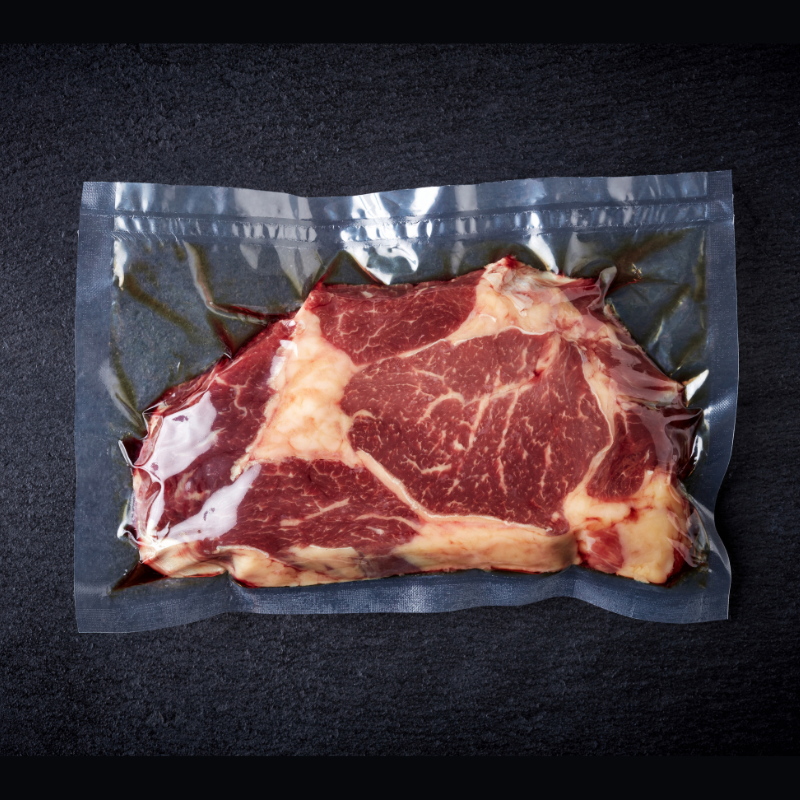
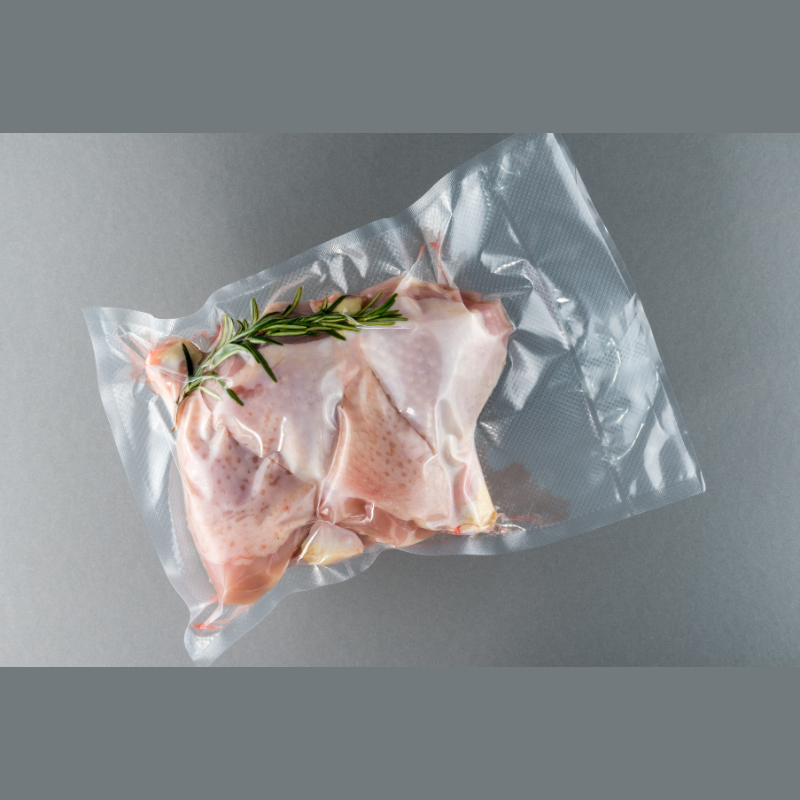
If you use BOPA film for food packaging, what are the correct procedures? First, always read the package label. Second, never heat BOPA film for food packaging in a microwave, even on defrost mode. Third, remove the product from BOPA film for food packaging and place it on a ceramic or glass plate. Fourth, cover the food with a microwave-safe paper towel or vented plastic lid. Fifth, reheat only the food, not the BOPA film for food packaging itself. Following these steps prevents chemical migration and physical hazards. BOPA film for food packaging excels at cold storage and transport, not microwave reheating.
7. Conclusion: Do Not Microwave Standard BOPA Film
In summary, standard BOPA film is not microwave-safe. BOPA film shrinks, warps, and may melt under microwave heating. High barrier BOPA film adds even more risks, including delamination and sparking. Surimi packaging film made from BOPA film should never go into a microwave. Always transfer food out of standard BOPA film before reheating. For frozen storage and vacuum sealing, BOPA film for food packaging remains an excellent choice. But for microwave use, choose PP, glass, or ceramic. Remember: BOPA film protects food in the fridge and freezer, not the microwave. Stay safe and always check packaging labels.