
In the world of flexible packaging, few challenges are as demanding as high-temperature sterilization. Processes like retorting, which involve cooking food inside the package at extreme temperatures, push packaging materials to their physical limits. For decades, this has been the proving ground for material integrity.
Among the various options available today, BOPA film has emerged as the gold standard for high-temperature applications. But how exactly does it perform when the heat is on? And what happens when you combine its natural thermal stability with ultra-high barrier properties? This article explores the exceptional high-temperature resistance of modern barrier films.
The Natural Advantage of BOPA Film
To understand high-temperature performance, we must first look at the polymer structure. BOPA film (Biaxially Oriented Polyamide) is engineered from polyamide resins, commonly known as nylon. The molecular structure of polyamide is characterized by strong hydrogen bonds between polymer chains. These bonds require significant energy to break or weaken, granting the material a high melting point and excellent thermal stability.
Typically, standard BOPA film can withstand continuous exposure to temperatures ranging from -60°C all the way up to 150°C or even 200°C for short periods. This broad thermal window makes it inherently suitable for processes that would destroy standard polyolefin films like polyethylene (PE) or polypropylene (PP). While PP is often used as a sealant layer, it cannot match the structural integrity of BOPA at high heat.
The Challenge: Heat + Barrier
The real test, however, comes when we demand both high temperature resistance and superior protection against oxygen and moisture. Standard nylon, while tough, has a natural Achilles' heel: it is hydrophilic. In high-humidity, high-heat environments like a retort, standard nylon can plasticize slightly, potentially leading to a temporary loss in barrier performance.
This is where engineered solutions come into play. A high barrier BOPA film is specifically designed to address this challenge. By incorporating specialized coatings (such as PVDC) or through advanced co-extrusion techniques with materials like EVOH, manufacturers create a structure that protects the barrier layer from the degrading effects of moisture during the cooking process.
BOPA film
high barrier BOPA film
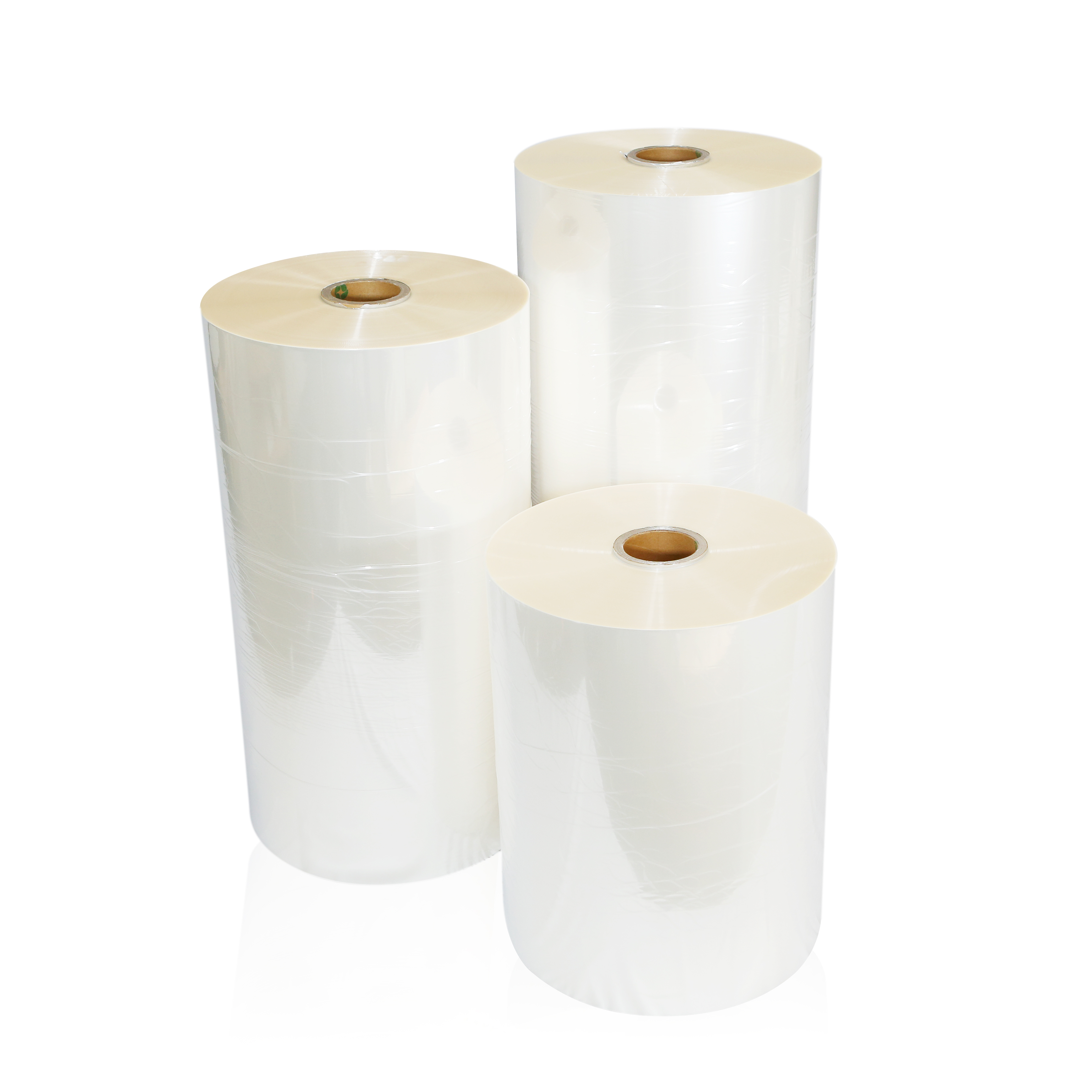
ultra-high barrier BOPA film
Retort-Ready: The Ultra-High Barrier Solution
For the most demanding applications—such as ready-to-eat meals, pet food, or prepared meats that must sit on a shelf for months without refrigeration—standard barriers are insufficient. The industry requires an ultra-high barrier BOPA film.
These specialized films are engineered to survive the retort process without delaminating, blistering, or losing their protective properties. When we say an ultra-high barrier BOPA film can tolerate 121°C (250°F) or even higher temperatures, we mean that the entire laminate structure remains intact.
Here is what happens inside the retort:
Structural Integrity: The BOPA film layer maintains its shape and tensile strength, preventing the pouch from becoming brittle or bursting under pressure.
Barrier Maintenance: The high barrier coatings or layers (like EVOH) are protected from moisture, ensuring that oxygen transmission rates (OTR) remain at ultra-low levels (often <2 cc/m²/day) even after the thermal shock of sterilization.
Seal Integrity: While the BOPA provides the backbone, the sealant layer (usually a special retort-grade polypropylene) fuses securely, and the ultra-high barrier BOPA film ensures the two materials do not separate at the interface.
Practical Applications
This unique combination of heat resistance and barrier performance is why high barrier BOPA film is the material of choice for:
Retort Pouches: Shelf-stable tuna, curry, and soup packages that sit unrefrigerated for years.
Prepared Meats: Sausages and sliced meats that require hot water bath processing.
Baby Food: Sterilized puree pouches that must maintain nutritional value and safety.
Pet Food: Wet pet food trays and pouches that undergo full sterilization cycles.
The performance of ultra-high barrier BOPA film under high temperatures is not just about surviving the heat—it is about delivering consistent, reliable protection throughout the product's lifecycle. By leveraging the natural thermal resistance of polyamide and enhancing it with sophisticated barrier technologies, modern BOPA film ensures that even the most sensitive foods can be safely sterilized and stored for months, without compromising quality or safety.
For brands looking to expand their room-temperature storage product lines, investing in Xiamen Changsu’s ultra-high barrier BOPA film technology is the safest way to enter the market.