

When comparing BOPA film versus BOPP, the answer depends entirely on your application. BOPA film (biaxially oriented polyamide) offers superior puncture resistance, while BOPP excels in moisture defense. Engineers choosing BOPA film prioritize toughness over cost. However, for dry goods, BOPP often suffices. Understanding BOPA film properties helps avoid package failure.
For perishable items, BOPA film for food packaging dominates vacuum-sealed meats and cheeses. BOPA film for food packaging withstands bone puncture and flex cracking during frozen transport. Unlike alternatives, BOPA film for food packaging maintains seal integrity under high-pressure retort conditions. Many brands select BOPA film for food packaging because nylon resists oil migration and odor transmission. Without BOPA film for food packaging, sharp-edged frozen seafood would rupture thin films.
Conversely, bopp packaging film shines in dry snacks and bakery goods. Bopp packaging film offers exceptional water vapor barrier at half the density of nylon. Bopp packaging film also prints beautifully and shrinks evenly for bundling. However, bopp packaging film tears easily when punctured by bone or crust. Therefore, bopp packaging film fails for vacuum-packed ribs or cheese wheels. For shelf-stable cookies, bopp packaging film remains cost-effective.
Where oxygen sensitivity matters, high barrier BOPA film becomes indispensable. High barrier BOPA film incorporates EVOH or SiOx coatings to achieve oxygen transmission below 1 cc/m²/day. High barrier BOPA film protects premium coffee and cured meats from rancidity. BOPP cannot match high barrier BOPA film because polypropylene inherently allows 1500 cc/m²/day oxygen flow. For long-term protein storage, high barrier BOPA film is non-negotiable. No bopp packaging film offers comparable gas defense.
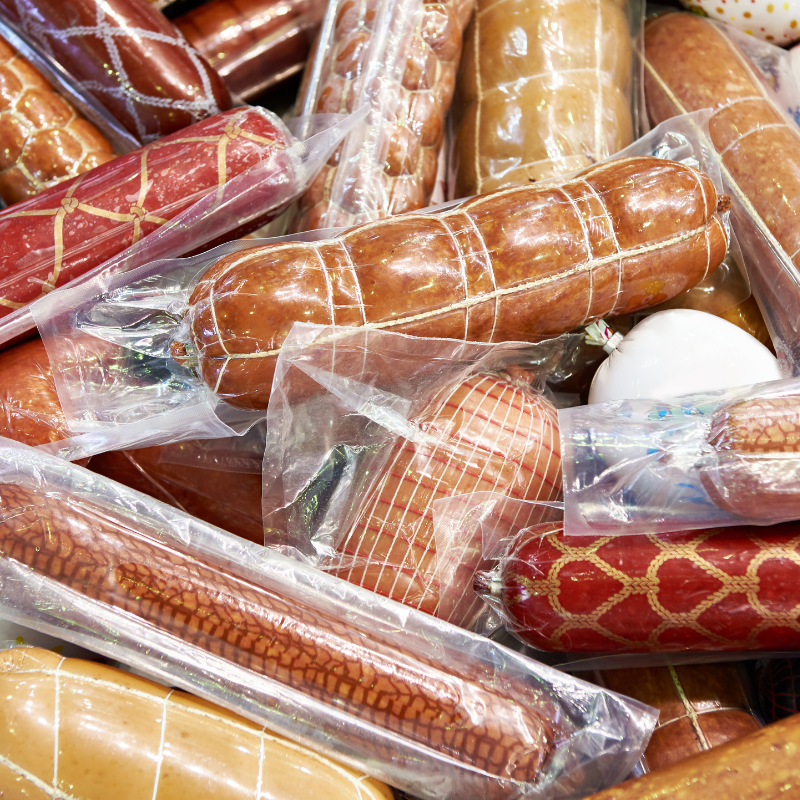
high barrier BOPA film
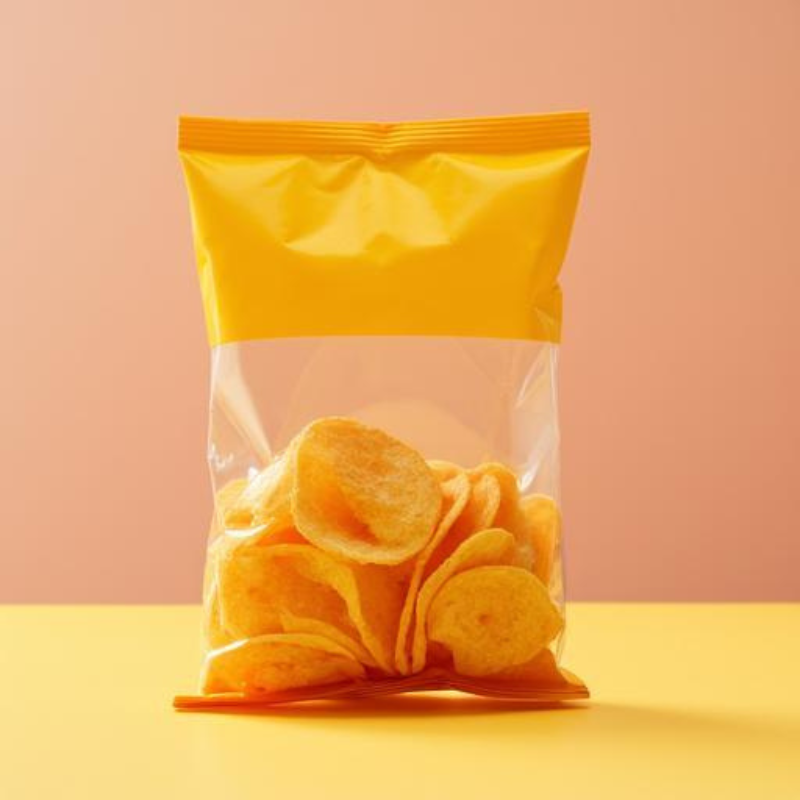
BOPP packaging film
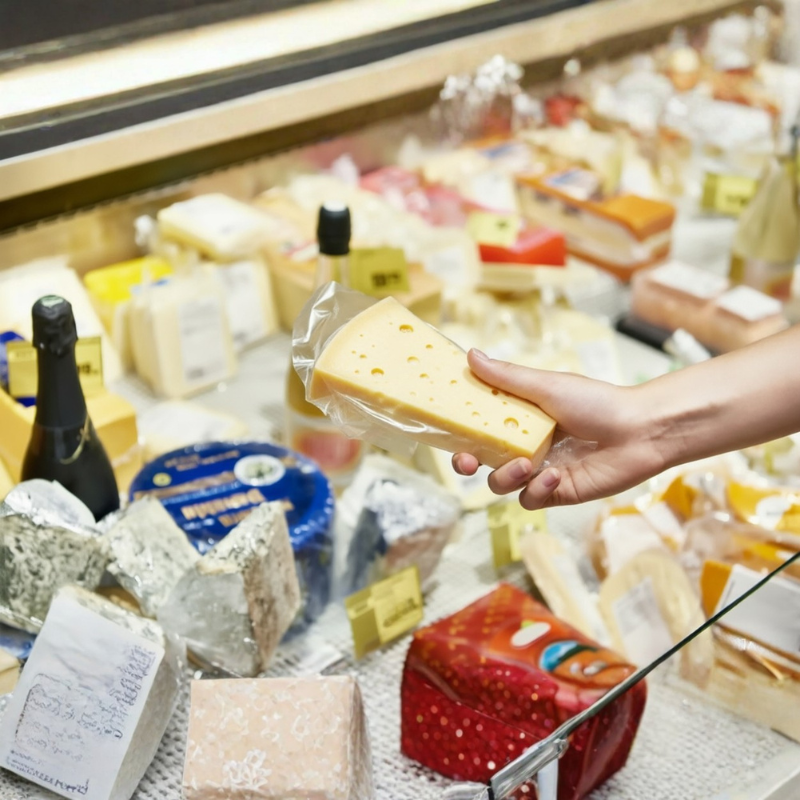
high barrier BOPA film
Returning to the food sector, bopp food packaging dominates chip bags and candy wrappers. Bopp food packaging provides glossy appearance and dead-fold properties for twist ties. Bopp food packaging also resists grease from fried snacks. However, bopp food packaging fails under boiling or freezing extremes. For frozen vegetables, BOPA film for food packaging outperforms because nylon retains flexibility at -40°C. For retort pouches, BOPA film for food packaging withstands 121°C sterilization while bopp food packaging melts.
So which is better: BOPA film or BOPP? For structural toughness and oxygen barrier, BOPA film wins. Specifically, BOPA film for food packaging handles meat, cheese, and frozen fish. High barrier BOPA film protects oxygen-sensitive coffee and nuts. For moisture-rich applications, BOPA film is superior. Conversely, bopp packaging film wins for dry, non-puncturing goods like crackers and pasta. Bopp food packaging also excels where low cost and high clarity matter. No single film solves all problems.
Choose BOPA film when your package faces sharp edges, vacuum pressure, or retort heat. Choose BOPA film for food packaging for protein-based products. Select high barrier BOPA film for oxygen-sensitive contents lasting months. Select bopp packaging film for lightweight dry snacks with no puncture risk. Finally, use bopp food packaging for candy and chips needing moisture defense. Both materials have roles, but BOPA film offers unmatched toughness. For demanding applications, BOPA film is clearly better.