
The question "Is BOPA film recyclable?" puzzles many packaging engineers. Technically, BOPA film (nylon-based) is recyclable in dedicated polyamide streams. However, municipal facilities rarely accept BOPA film because it requires specific chemical recycling. Unlike PET or PE, BOPA film has a high melting point (220°C), which disrupts standard reprocessing lines. Therefore, the recyclability of BOPA film depends entirely on local infrastructure.
Let us examine standard BOPA film first. Standard BOPA film is a mono-material nylon structure without coatings. In Europe, standard BOPA film can be recycled via Solvay’s polyamide recovery process. However, standard BOPA film often appears in multilayer laminates, which complicates sorting. When used alone, standard BOPA film achieves 85% material recovery. Yet most curbside bins reject standard BOPA film due to its similarity to other films. For true circularity, standard BOPA film needs deposit schemes.
Fortunately, bio based BOPA Film offers a sustainable alternative. Bio based BOPA Film is not automatically recyclable, but its biomass origin reduces reliance on fossil carbon. Bio based BOPA Film behaves identically to conventional nylon in recycling streams. Additionally, bio based BOPA Film can undergo enzymatic depolymerization, a breakthrough process. Several pilots now prove that bio based BOPA Film yields caprolactam monomers at 90% efficiency. Thus, bio based BOPA Film represents future-proof recyclability.
The situation changes with high barrier BOPA film. High barrier BOPA film includes EVOH, PVdC, or aluminum oxide layers. Because of these additives, high barrier BOPA film is generally non-recyclable in standard systems. The barrier coatings contaminate the nylon matrix, causing brittleness. However, advanced recyclers can separate high barrier BOPA film using solvent-based technology. Currently, less than 5% of high barrier BOPA film enters recycling loops. For most municipalities, high barrier BOPA film ends in incineration.
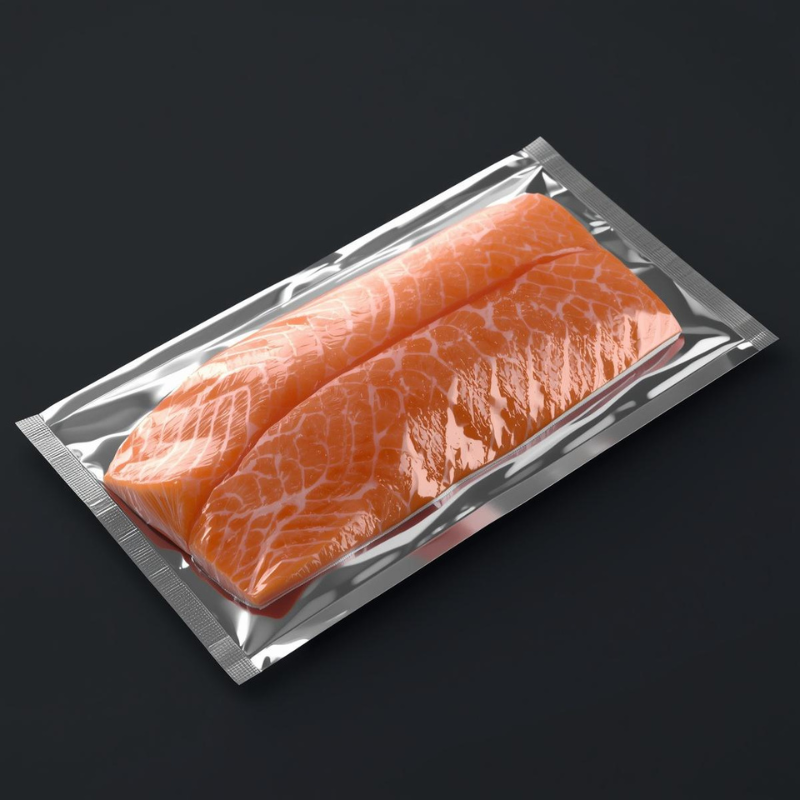
standard BOPA film
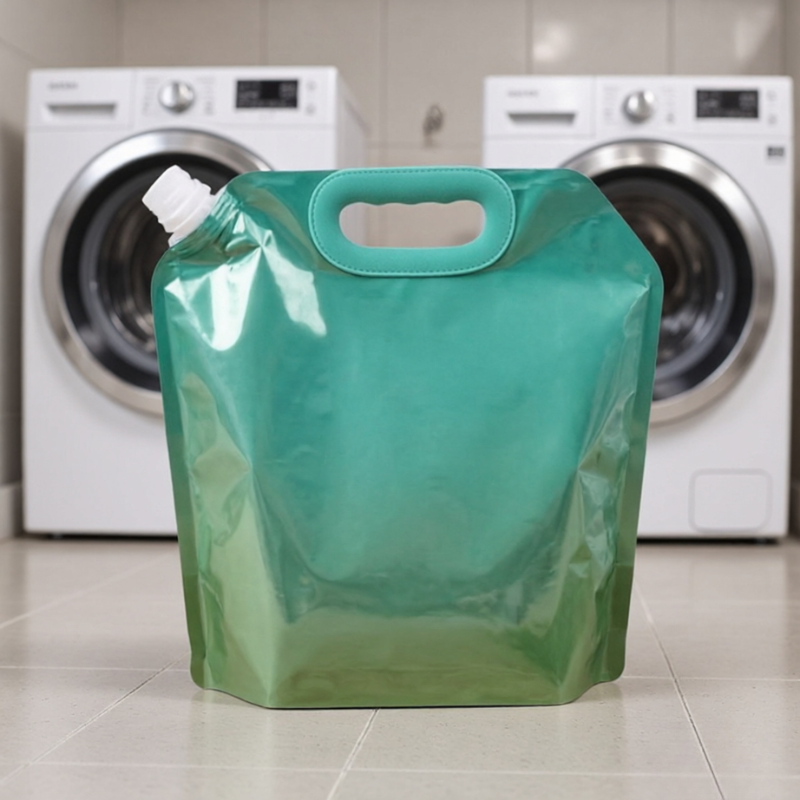
bio based BOPA Film
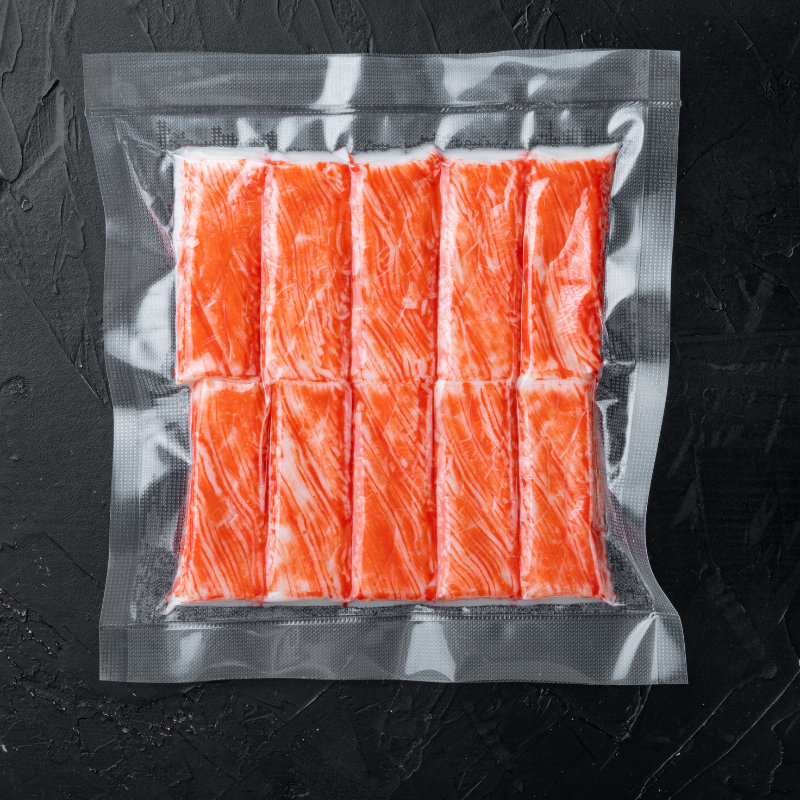
high barrier BOPA film
lithium battery BOPA film
Most surprising is lithium battery BOPA film. Lithium battery BOPA film is used as pouch cell casing. Unlike packaging films, lithium battery BOPA film is rarely recycled because it adheres to aluminum laminate and electrolyte residues. Lithium battery BOPA film requires hydrometallurgical pretreatment before nylon recovery. Nevertheless, new EU battery regulations mandate recycling of lithium battery BOPA film by 2027. Pilot plants in Germany now process lithium battery BOPA film into engineering plastics.
Returning to the main question: Is BOPA film recyclable? The honest answer is conditional. Standard BOPA film is technically recyclable where polyamide lines exist. Bio based BOPA Film offers identical recyclability with lower carbon impact. High barrier BOPA film is mostly non-recyclable today. Lithium battery BOPA film is emerging as a recyclable specialty stream. Without chemical recycling infrastructure, most BOPA film still goes to energy recovery.
For eco-conscious brands, choose bio based BOPA Film if recyclability matters. Avoid high barrier BOPA film unless paired with certified recyclers. Meanwhile, the industry is developing hydrolysis units specifically for BOPA film. By 2030, you may recycle all BOPA film at scale. Until then, check local guidelines for standard BOPA film acceptance. Only lithium battery BOPA film has a mandated recycling pathway in place.
In summary, BOPA film can be circular, but not everywhere. Standard BOPA film leads in current recyclability. Bio based BOPA Film leads in future potential. High barrier BOPA film lags behind. Lithium battery BOPA film leads in regulatory push. Always ask your recycler before disposing of any BOPA film.