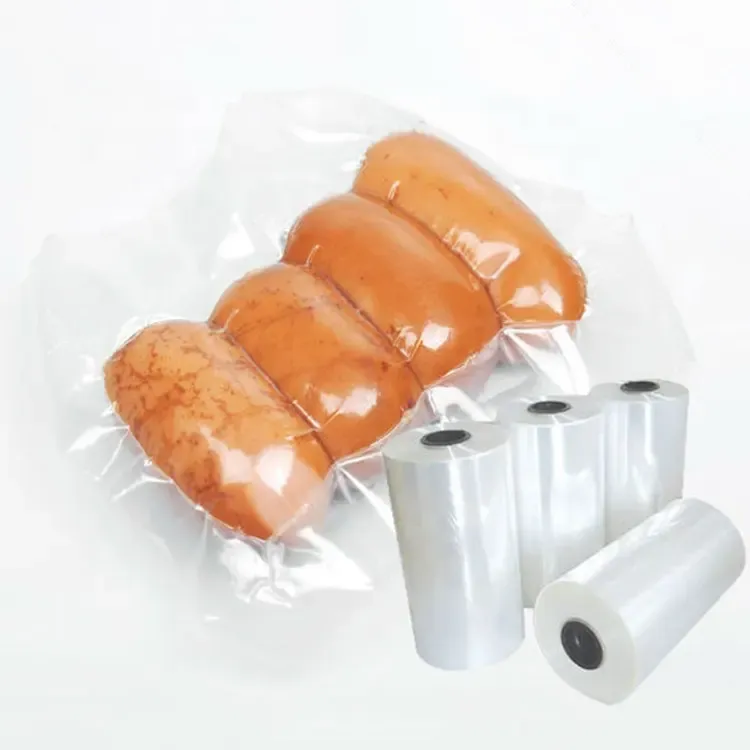
Stop misunderstanding! Frozen food may be fresher than freshly transported food!
When it comes to food, Chinese people are extremely particular about "freshness." Frozen food has long been considered "not fresh enough, not nutritious enough." Actually, this is a complete misunderstanding.
Frozen food ≠ frozen food. Its freshness may even exceed that of freshly transported food.
Fresh food that has been frozen and then thawed will have a significantly different taste and flavor compared to uncold food. This is because ordinary freezing takes a long time, during which water inside the food forms large ice crystals, directly damaging cell membranes and cell walls. After thawing, it cannot be restored to its original state; the taste deteriorates, and a significant amount of nutrients are lost.
Frozen food, on the other hand, uses a special process to rapidly cool fresh food to around -35°C, and then enters the market through a cold chain logistics system maintained at around -18°C throughout. The "ice crystals" formed inside the food are very small, not damaging the food cells, thus preserving the original flavor of the food to the greatest extent. In some cases, the nutrient retention rate of frozen fruits and vegetables may even be higher than that of freshly transported produce. Some even say that all foods deserve to be re-frozen!
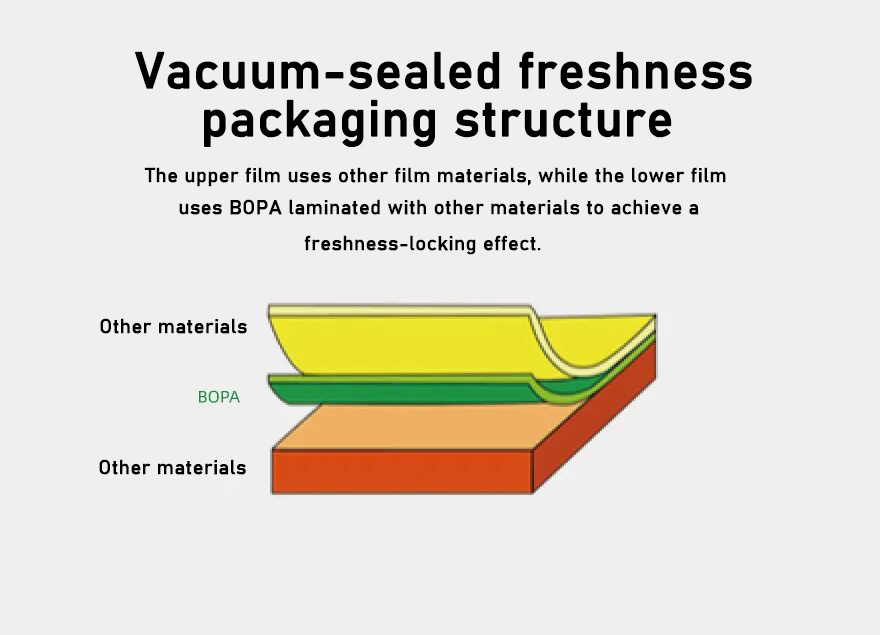
Freshness-locking packaging uses smaller packages more suitable for family consumption, reducing the likelihood of leftovers being refrozen and suffering a decline in taste. Besides vacuum sealing and low temperatures, its most innovative feature is the change in the packaging material structure, using a functional film material, BOPA, combined with other packaging materials to achieve a more significant freshness-locking effect.
BOPA boasts excellent tensile and puncture resistance, easily withstanding various long-distance, high-load, and harsh environmental transportation and storage processes. It is not prone to brittleness and breakage even at -60℃, thus preventing shortened shelf life or spoilage and waste, greatly expanding the application range and scenarios for frozen foods.
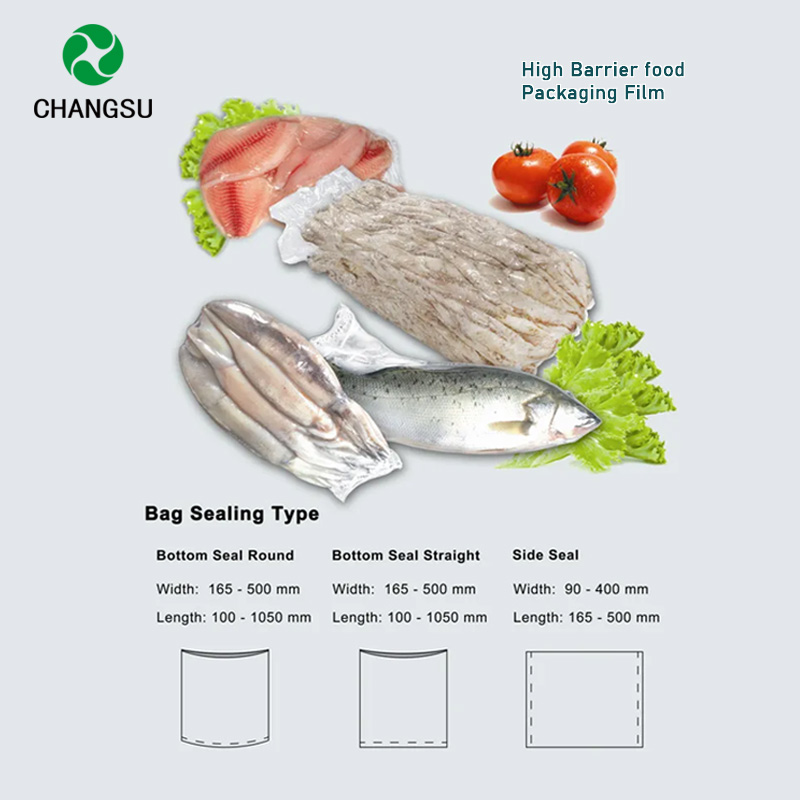
BOPA has high transparency, allowing visually appealing food to be clearly seen, resulting in better display and stimulating consumption. Furthermore, using a functional film material with high barrier properties, EHA, can improve oxygen isolation and aroma retention by more than 10 times compared to current vacuum-sealed packaging, significantly reducing the use of chemical additives and making physical preservation safer. Small-packaged frozen foods, preserved through physical methods such as vacuum sealing, low temperatures, and high-barrier materials, are suitable for family consumption and new retail channels like community group buying and convenience stores, leading the industry trend. Changsu, starting from the food supply side, promotes product innovation through material upgrades, bringing healthy and convenient consumption, thereby driving consumption upgrades!