
Preserving Food Freshness: Failing to Do This Step Right is a Waste of Time!
Snacks become damp, seafood spoils, beans become infested with insects, tea gets moldy, and odors mix in the refrigerator. In daily life, unscientific food preservation methods not only cause waste and pollution but can even harm health. Food rots because components in the air, such as oxygen or microorganisms like bacteria, react chemically with certain components in the food. Extending the shelf life of food means slowing down this chemical reaction as much as possible. Many methods can be used, such as temperature control, modified atmosphere packaging, sterilization, and vacuum sealing.
Temperature Control:
For every 10-degree Celsius increase in temperature, the rate of a chemical reaction increases by 2-4 times. Based on this calculation, if a food can be preserved for one day at 25°C, it can be preserved for about a week between 0-4°C. Many modern foods rely heavily on cold chains, requiring not only precise temperature control but also maintaining low temperatures at every stage.
Modified Atmosphere Packaging:
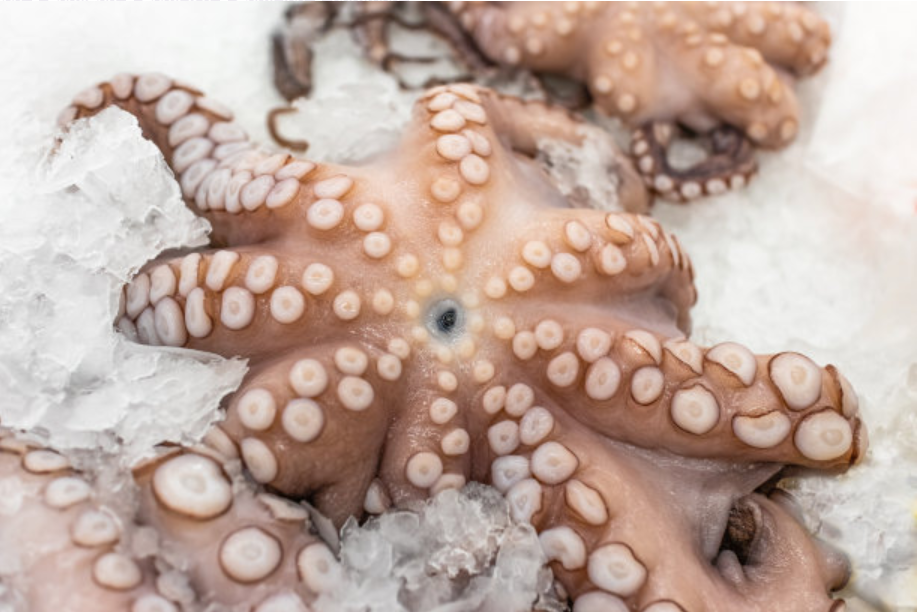
In fact, a cellar is a type of modified atmosphere packaging technology; it "adjusts" the gas composition of the food's environment. Storing Chinese cabbage in cellars during winter utilizes the enclosed space to increase carbon dioxide concentration, inhibiting respiration and slowing spoilage. Modern controlled atmosphere packaging typically uses inert gases like nitrogen and argon to preserve freshness.
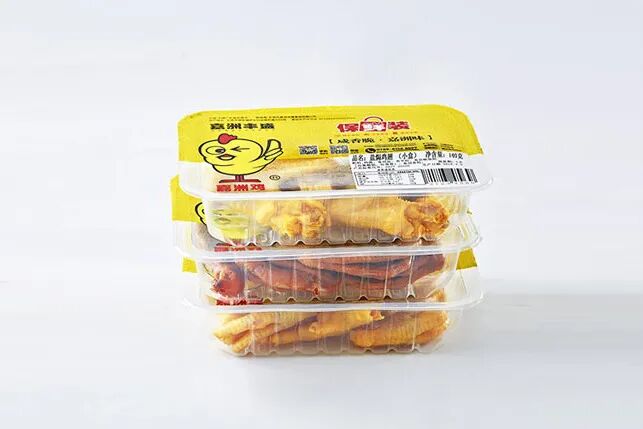
Sterilization primarily includes physical and chemical sterilization.
Physical sterilization, such as pasteurization, ultra-high temperature sterilization, and irradiation sterilization, mainly uses prolonged temperatures of 80 degrees Celsius, instantaneous high temperatures, ultraviolet light, or X-rays to kill bacteria. Chemical sterilization, such as chlorination, essentially "preserves" tap water through sterilization. Chemical preservation not only sterilizes but also inhibits bacteria, which involves adding preservatives and is generally used in conjunction with physical sterilization.
Vacuum:
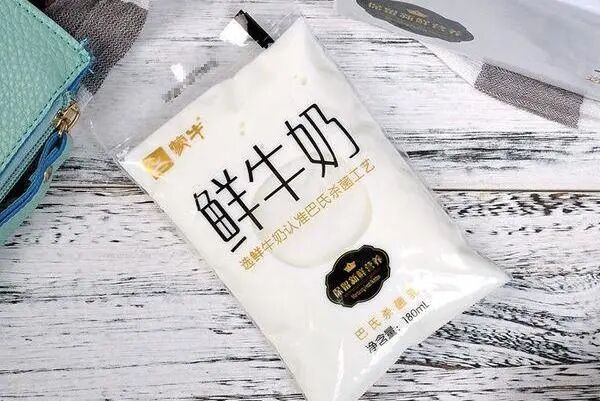
Food spoilage is mainly caused by microbial activity, and most microorganisms require oxygen to survive. Therefore, vacuum deoxygenation can inhibit bacteria and prevent mold growth. However, cooked foods generally have a high water content and are rich in nutrients, making them highly susceptible to bacterial growth. Vacuum sealing, without sterilization and the use of high-barrier packaging materials, will hardly extend the shelf life. Modern food preservation requires a combination of different technologies; using a single technology in isolation is impractical.
Take peanuts, a common food, as an example. Peanuts are rich in unsaturated fatty acids and antioxidants, but they often spoil quickly, developing a rancid taste because many components have oxidized. In the past, we could only delay spoilage by sealing the bags tightly. But in modern industry, preservation is not just about solving one problem. Insect prevention must begin while the peanuts are still growing; mold prevention is crucial during storage after harvesting; cold chain logistics are essential during transportation to the processing plant; and vacuum sealing, sterilization, and high-barrier packaging are necessary during processing. Furthermore, high-barrier packaging is a crucial guarantee for ensuring the effectiveness of all the preceding preservation processes.
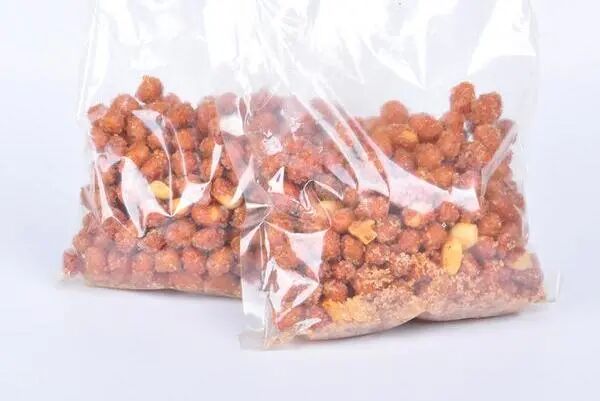
high barrier packaging film
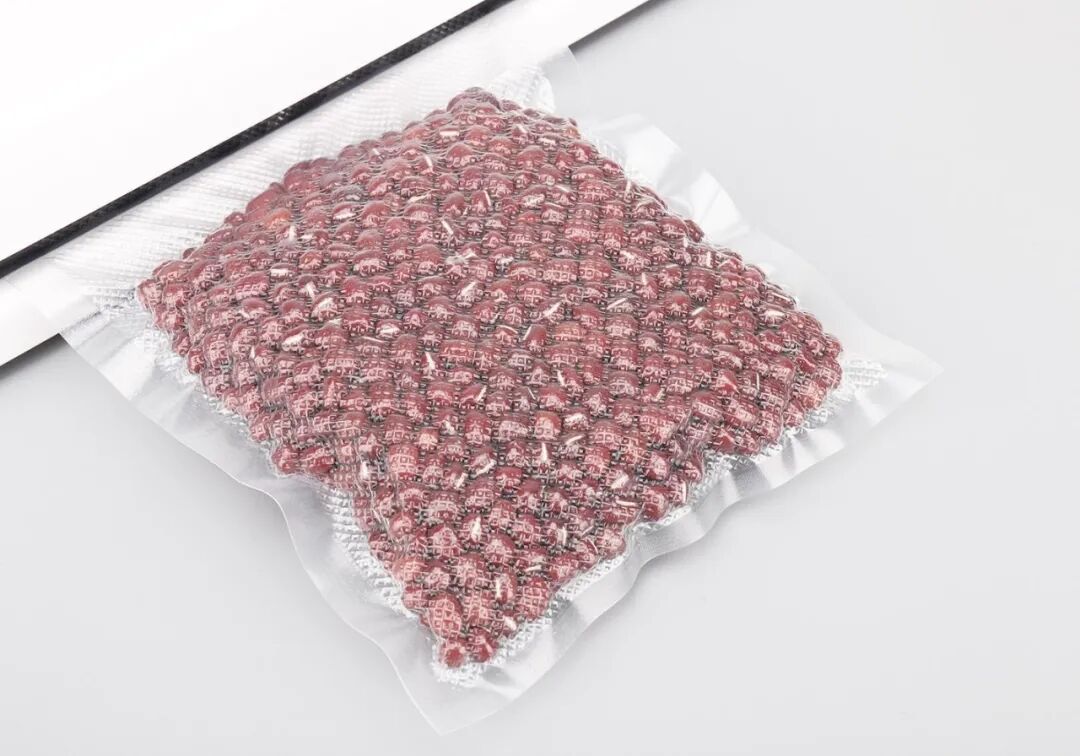
ultra high barrier film
Vector film—the "chip" of packaging materials—possesses superior barrier properties many times greater than ordinary materials. It effectively prevents air from entering the packaging, while simultaneously preventing aroma loss, inhibiting food oxidation, and preserving the color, aroma, flavor, and nutritional value of the food.
Vector film has a wide operating temperature range and excellent mechanical properties, resisting tension, impact, and puncture. This protection ensures that food packaging is not easily damaged after leaving the factory, regardless of whether it is subjected to high-altitude stacking, rough handling during storage and transportation, or environments with large temperature differences, allowing the food to maintain its freshness and quality for a longer period. Modern food preservation technologies cannot be used in isolation; choosing a good material is crucial in the final packaging process.