
Aroma preservation stands as one of the most critical challenges in food packaging. When consumers purchase packaged food, they expect the product to deliver the same sensory experience as fresh-prepared items—and aroma plays a fundamental role in that expectation. BOPA film has emerged as a superior solution for maintaining flavor integrity, but understanding exactly how it achieves this requires examining the material's unique structural characteristics and barrier mechanisms.
The Science Behind Aroma Loss in Packaged Foods
Food aromas consist of complex mixtures of volatile organic compounds—esters, aldehydes, ketones, terpenes, and sulfur-containing molecules—each with distinct molecular sizes and chemical properties. Traditional packaging materials often fail to contain these compounds effectively. Polyethylene films, while economical, permit gradual permeation of smaller aromatic molecules, leading to flavor degradation over time. Polypropylene offers improved moisture barrier but struggles with non-polar aroma components. This is where BOPA film fundamentally differs.
Biaxially oriented polyamide (nylon) film possesses a dense crystalline structure created through simultaneous stretching in machine and transverse directions during manufacturing. This orientation process aligns polymer chains, reducing free volume within the film matrix and creating a tortuous path for diffusing molecules. For aroma compounds attempting to permeate the material, this structure presents an obstacle course that effectively traps volatile components within the package. The result is extended flavor retention that consumers can actually perceive when opening the package days or weeks after filling.
The Biobased Advantage: Sustainable Aroma Protection
As sustainability imperatives reshape packaging specifications, biobased BOPA film for food packaging demonstrates that environmental responsibility and performance excellence can coexist. Derived from renewable feedstock rather than fossil fuels, these films achieve identical barrier properties to conventional nylon while dramatically reducing carbon footprint. The biobased variant maintains the same crystalline structure that makes BOPA effective for aroma containment—the orientation process works identically regardless of polymer origin.
Food brands adopting biobased BOPA film for food packaging gain dual benefits: enhanced aroma retention that pleases consumers and sustainability credentials that resonate with environmentally aware purchasers. Certified by organizations like TÜV for renewable content, these materials enable accurate carbon footprint calculations and progress toward corporate sustainability targets. For applications ranging from premium coffee packaging to aromatic spice containment, biobased options deliver the sensory experience consumers demand while supporting circular economy objectives.
High Barrier Technology: Maximizing Aroma Containment
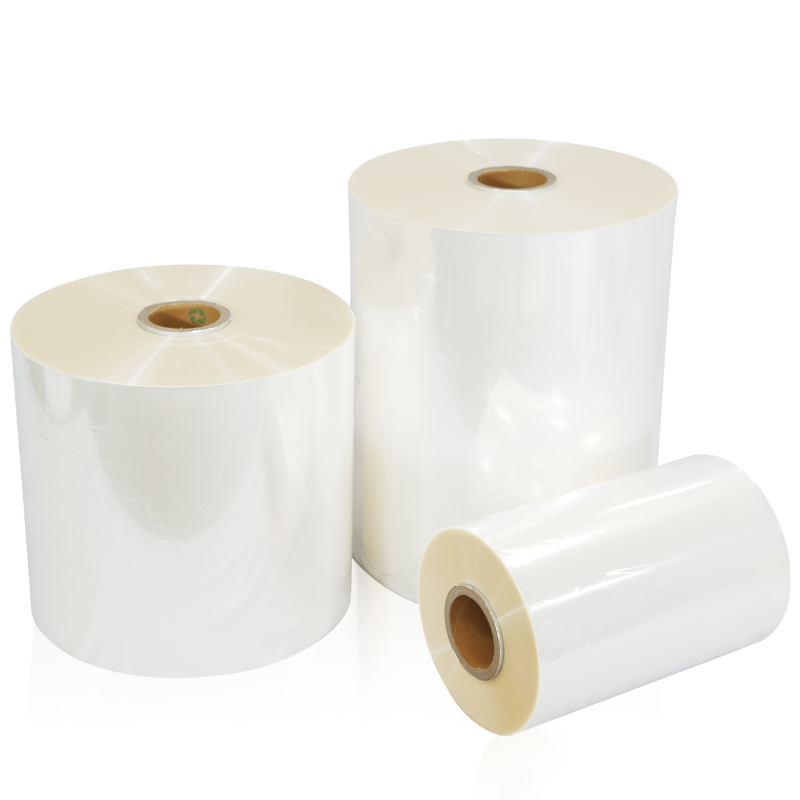
For the most demanding applications where extreme aroma retention is required, high barrier BOPA film represents the pinnacle of flavor preservation technology. Unlike conventional barrier films that may incorporate metallization or ceramic coatings, high barrier BOPA achieves superior performance through advanced co-extrusion techniques that integrate specialized barrier resins directly into the film structure. This approach maintains film transparency while dramatically reducing permeability to oxygen, nitrogen, and aromatic compounds.
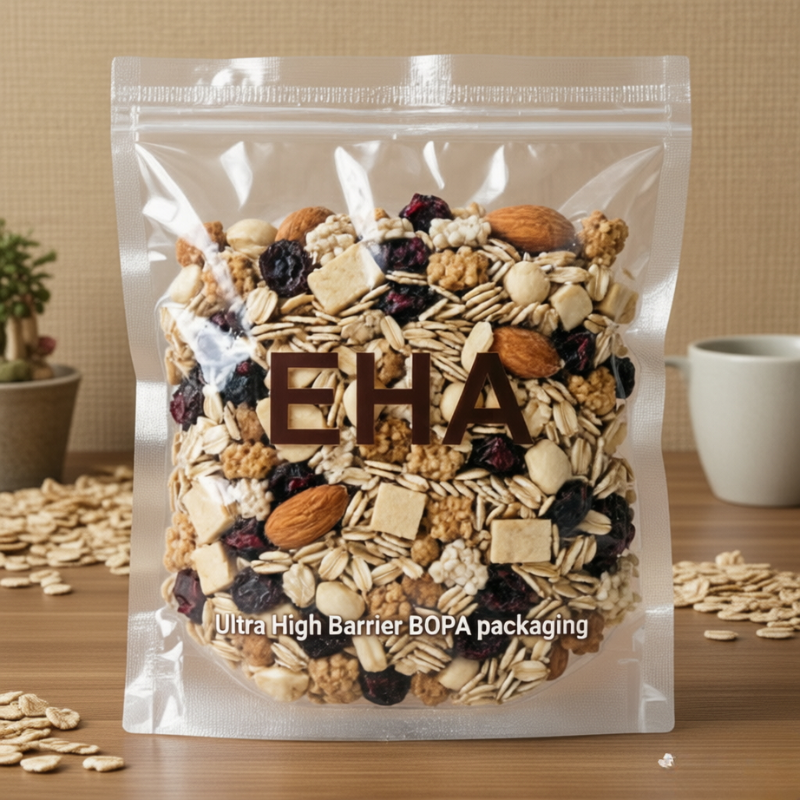
High barrier BOPA film proves particularly valuable for applications involving intense aromatics—garlic and onion products, concentrated flavor extracts, essential oils, and fermented foods with potent volatile profiles. The material's exceptional resistance to aroma permeation ensures that flavors remain within the package rather than migrating through the packaging wall. Additionally, high barrier BOPA prevents external odors from infiltrating the package, protecting delicate flavors from cross-contamination during storage and distribution. This bidirectional protection makes the material invaluable for sensitive food applications where flavor purity is paramount.
high barrier BOPA film
high barrier packaging film
barrier films for food packaging
biobased BOPA film for food packaging
Comprehensive Solutions: The Role of High Barrier Packaging Film
Understanding how BOPA functions requires situating it within the broader category of high barrier packaging film solutions. High barrier films generally achieve their performance through multiple mechanisms: reduced polymer free volume, incorporation of platelet-like fillers that extend diffusion paths, multi-layer structures with specialized barrier layers, or surface treatments that modify permeability characteristics. BOPA film excels through the first mechanism—its oriented structure inherently limits molecular diffusion without requiring additional layers or treatments.
When comparing BOPA to other high barrier packaging film options, several advantages emerge. Unlike metallized films that sacrifice transparency and cannot be metal-detected after packaging, BOPA maintains clarity for product viewing and inspection compatibility. Unlike EVOH-based structures that lose barrier properties when exposed to humidity, BOPA's barrier performance remains stable across moisture conditions. Unlike PVDC coatings that raise environmental concerns, BOPA presents fewer end-of-life complications. These comparative advantages explain why converters increasingly specify BOPA for premium applications requiring reliable aroma containment.
The Competitive Landscape: Barrier Films for Food Packaging
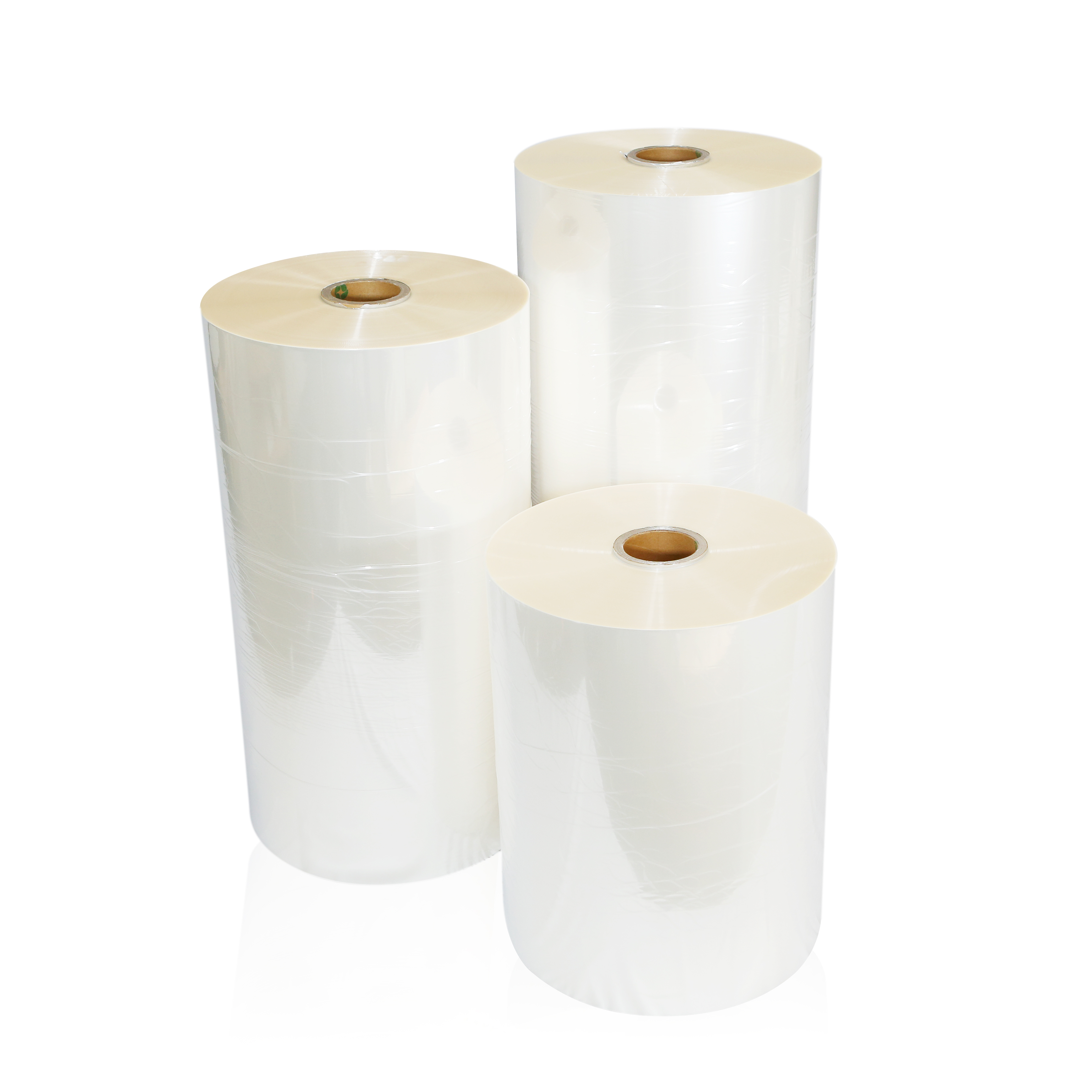
The broader category of barrier films for food packaging encompasses numerous material options, each with distinct strengths and limitations. Metallized polyester films offer excellent oxygen barrier but limited aroma retention for non-polar compounds. EVOH coextrusions provide outstanding gas barrier but require protection from moisture. Aluminum foil delivers absolute barrier but lacks transparency and creates recycling challenges. BOPA film occupies a unique position within this landscape, offering balanced performance across multiple barrier requirements while maintaining mechanical strength and optical clarity.
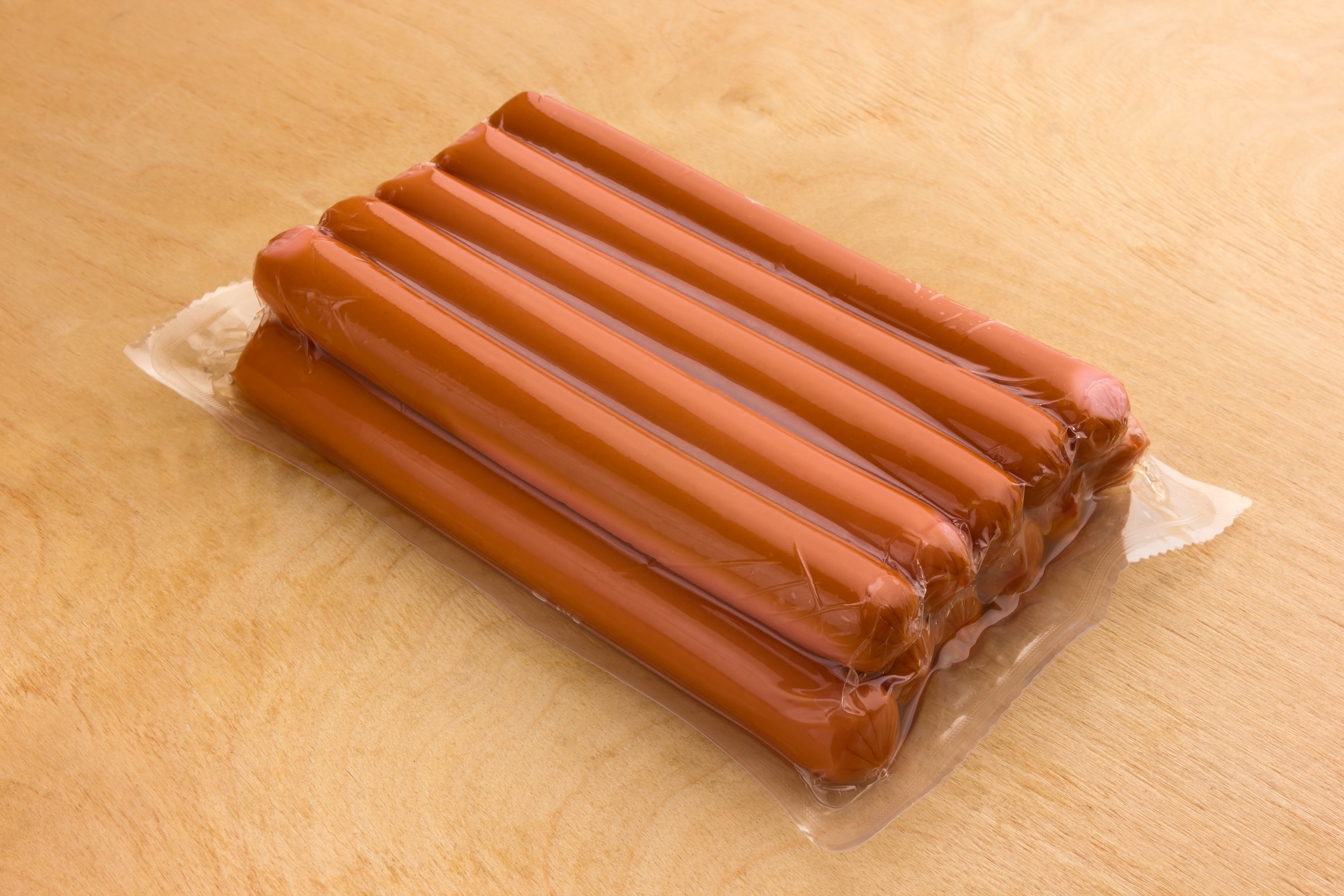
Barrier films for food packaging must address not only aroma preservation but also mechanical demands of filling, sealing, distribution, and consumer use. BOPA's exceptional puncture resistance, flex-crack resistance, and thermoformability make it suitable for applications where other barrier materials would fail. For vacuum packaging, retort processing, and form-fill-seal operations, the material withstands stresses that would compromise alternative structures. This combination of barrier performance and mechanical robustness explains why BOPA has become the preferred choice for demanding applications across meat, cheese, seafood, and prepared food categories.
Practical Applications: Where Aroma Barrier Matters Most
Certain food categories demonstrate particularly dramatic benefits from BOPA's aroma barrier capabilities. Coffee packaging represents perhaps the most demanding application—freshly roasted coffee releases hundreds of volatile compounds that define its aromatic profile, and consumers expect to experience these when opening the package. BOPA film effectively contains these compounds while providing the puncture resistance needed for whole bean packaging. Similarly, aged cheeses develop complex aroma profiles during maturation, and BOPA preserves these characteristics through extended distribution cycles.
Spice packaging presents another compelling use case. Ground spices contain concentrated aromatic oils that readily permeate inadequate barriers, leading to flavor loss and potential cross-contamination of adjacent products. BOPA film's dense structure effectively contains these potent compounds. For ready-to-eat meals containing aromatic ingredients, the material ensures that consumers experience the intended flavor profile rather than a diminished version degraded by aroma loss during storage.
BOPA film enhances aroma barrier in food packaging through its fundamentally different approach to molecular diffusion control. The biaxial orientation process creates a dense crystalline structure that slows volatile compound migration, preserving the sensory experience consumers expect. From biobased variants supporting sustainability goals to high barrier grades for extreme applications, BOPA technology continues evolving to meet increasingly demanding requirements. As food brands recognize that aroma preservation directly influences purchase decisions and brand loyalty, the material's role in premium packaging will likely expand further. For converters and brand owners seeking reliable aroma containment combined with mechanical excellence, BOPA film delivers performance that alternative barrier films for food packaging simply cannot match.