
In the realm of flexible packaging, selecting the optimal film is a critical decision that balances performance, cost, and functionality. Three dominant materials—BOPP (Biaxially Oriented Polypropylene), BOPET (Biaxially Oriented Polyethylene Terephthalate), and BOPA (Biaxially Oriented Polyamide)—each offer distinct advantages and limitations as barrier packaging film solutions. Understanding their comparative barrier profiles is essential for engineers and brand owners designing high barrier packaging for sensitive products.
Oxygen Barrier: Where BOPA Excels
The most significant differentiator among these films lies in their oxygen barrier performance. BOPA is unequivocally superior in providing an oxygen barrier, especially under dry conditions. Its oriented crystalline polyamide structure creates a highly tortuous path for gas molecules, resulting in an Oxygen Transmission Rate (OTR) typically ranging from 15 to 40 cm³/m²/day at 0% Relative Humidity (RH). This makes it the premier choice as a high barrier film core in laminates for oxygen-sensitive applications like coffee, nuts, processed meats, and pharmaceutical products.
In contrast, BOPET provides a moderate oxygen barrier, with OTR values generally between 50-90 cm³/m²/day. While suitable for many applications, it lacks the stringent protection required for long-shelf-life products. BOPP has the highest oxygen permeability among the trio, with OTR often exceeding 1500 cm³/m²/day, making it a poor standalone oxygen barrier. For this reason, BOPP and BOPET often require additional barrier coatings (e.g., PVDC, acrylic) or metallization to achieve the performance level inherent to standard BOPA, qualifying BOPA as a foundational high barrier packaging film.
Moisture Vapor Barrier: The Domain of BOPET and BOPP
When protection against moisture is paramount, the hierarchy shifts. BOPET boasts the best moisture vapor barrier of the three, with a Water Vapor Transmission Rate (WVTR) around 15-30 g/m²/day, owing to its inherently hydrophobic polymer structure. BOPP also provides excellent moisture resistance, often with WVTR similar to or slightly higher than BOPET. This makes both films ideal for protecting products from humidity, such as dry snacks or hygroscopic powders.
BOPA presents a more complex relationship with moisture. While it offers a reasonable dry moisture barrier, its polar polyamide structure is hydrophilic. Its WVTR performance is acceptable in dry environments but can be compromised at high humidity. Crucially, its excellent oxygen barrier property is highly humidity-dependent and can degrade significantly as RH increases. Therefore, in a complete high barrier packaging system for moist foods or varied climates, BOPA is almost always laminated with moisture-blocking layers like polyethylene (PE) or BOPP, creating a synergistic structure where BOPA blocks oxygen and the other layer blocks moisture.
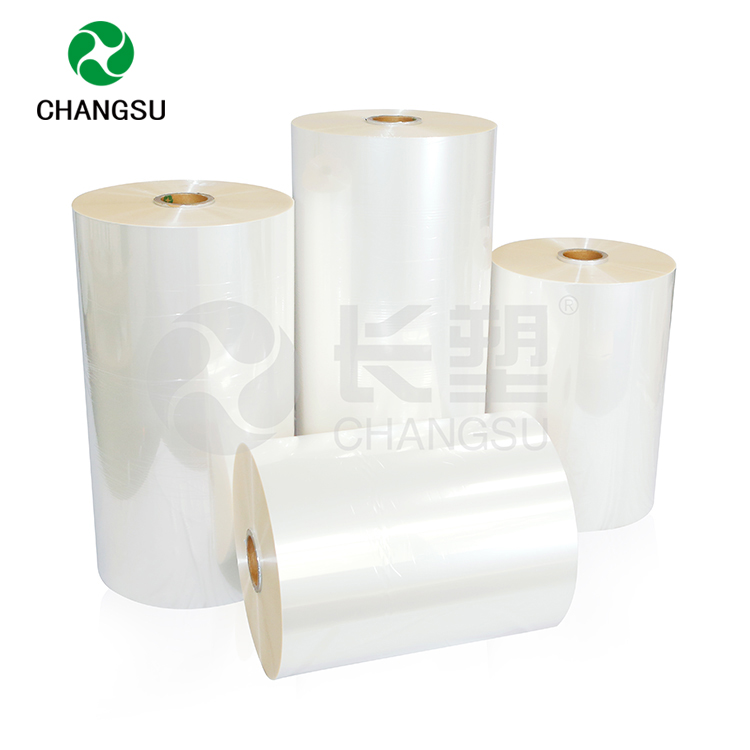
high barrier film
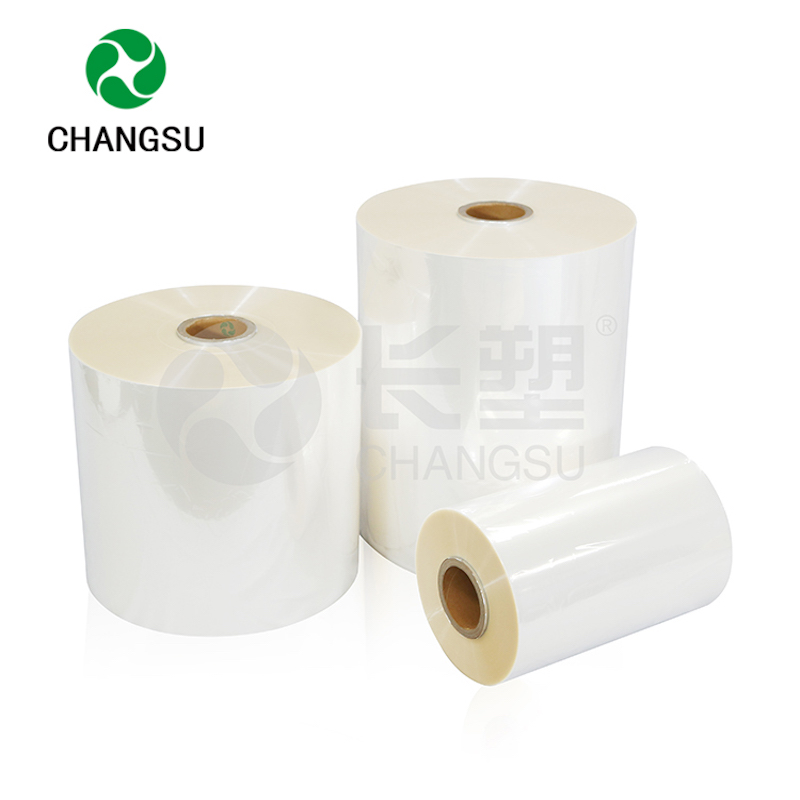
high barrier packaging film
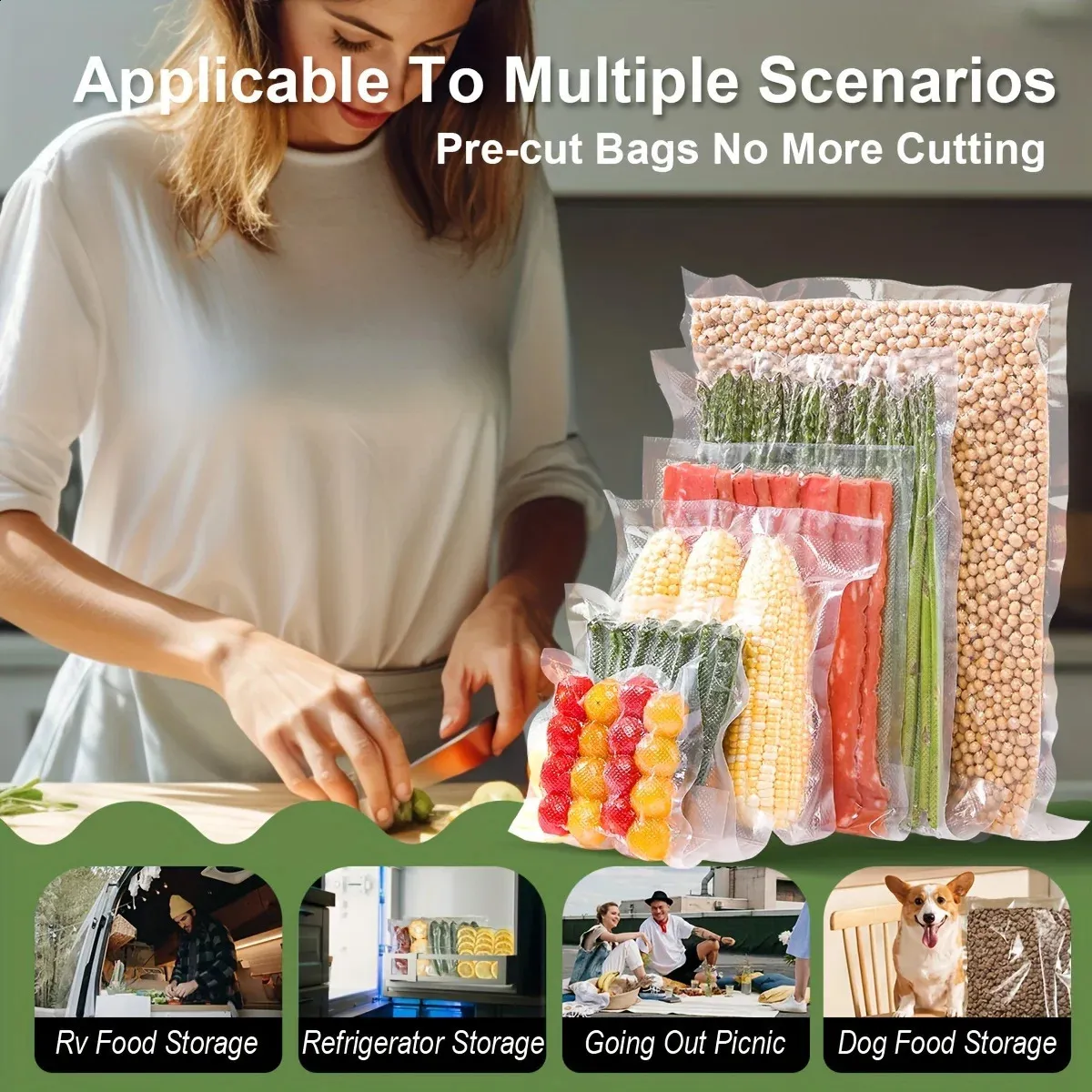
barrier films for food packagin
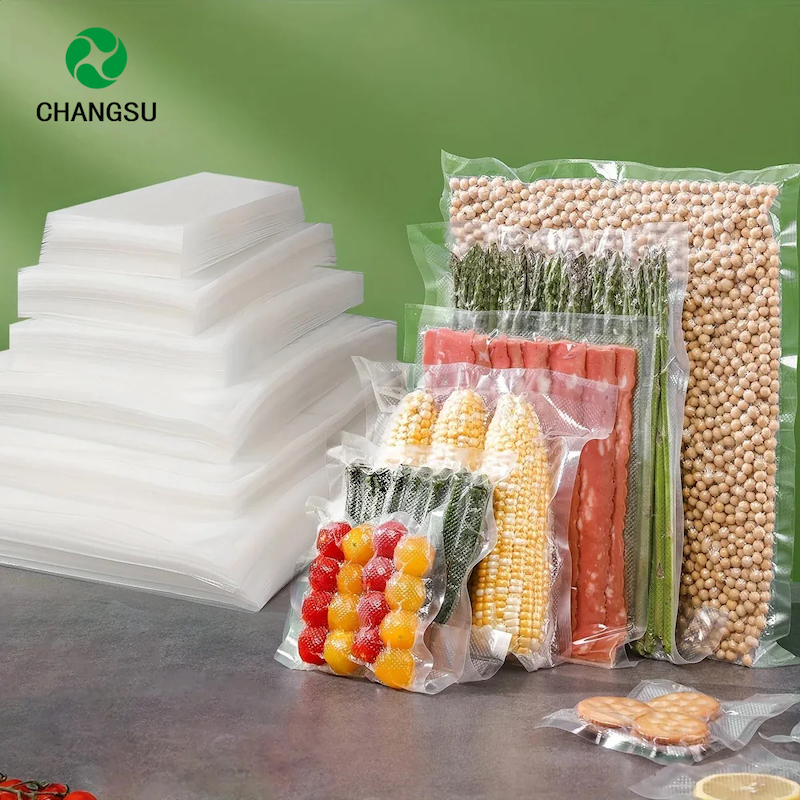
high barrier packaging film
Mechanical and Functional Properties
Beyond barrier metrics, mechanical performance critically influences film selection for barrier films for food packaging.
Puncture and Abuse Resistance: BOPA offers exceptional puncture resistance, tensile strength, and toughness, making it ideal for packaging sharp, heavy, or irregular products (e.g., bone-in meats, frozen vegetables, hardware). BOPET has high tensile strength but is more brittle and has lower puncture resistance. BOPP is softer and has lower strength than both.
Clarity and Gloss: All three films can achieve high clarity. BOPET typically offers the highest gloss and dimensional stability.
Temperature Resistance: BOPET has the highest heat resistance, followed by BOPA (which performs well in retort applications), and then BOPP.
Chemical Resistance: BOPA provides excellent resistance to oils, greases, and aromas—a key advantage for oily foods.
Cost and Application Synergy
Cost is a decisive practical factor. BOPP is generally the most cost-effective option per unit area, making it the workhorse for high-volume, less demanding applications. BOPET occupies a mid-range cost position, offering a good balance of properties. BOPA is typically the most expensive of the three, justified by its superior oxygen barrier and toughness.
In modern high barrier flexible packaging, these films are rarely used in isolation. Their true power is realized in multi-layer laminations that combine their strengths. A classic high-performance structure might be: BOPP (printable exterior/moisture barrier) / Adhesive / BOPA (core oxygen/aroma barrier) / Sealant (PE for sealing/moisture barrier). This structure leverages BOPP's low cost and moisture protection, BOPA's superior oxygen barrier, and the sealant's functionality.
Selecting the Right Tool for the Job
The choice between BOPP, BOPET, and BOPA is not about finding a single "best" material, but about selecting the right tool for specific barrier packaging film requirements.
Choose BOPP for excellent moisture barrier, high clarity, and lowest cost in applications where oxygen barrier is secondary (e.g., overwrap, label films, simple snack bags).
Choose BOPET for superior moisture barrier, high heat resistance, excellent dimensional stability, and good optical properties for a wide range of applications, often with a barrier coating (e.g., snack bars, bakery products, non-food items).
Choose BOPA as the essential high barrier film when maximum oxygen and aroma barrier, exceptional puncture resistance, and oil/grease resistance are critical (e.g., vacuum packaging, retort pouches, premium dairy, medical packaging). Its cost is offset by enabling longer shelf life and reducing product waste.
Ultimately, for the most demanding barrier films for food packaging, BOPA's unique combination of high oxygen barrier and mechanical robustness makes it an irreplaceable component in the engineer's toolkit, often serving as the critical core that enables truly high barrier packaging solutions that protect product integrity from the production line to the consumer.